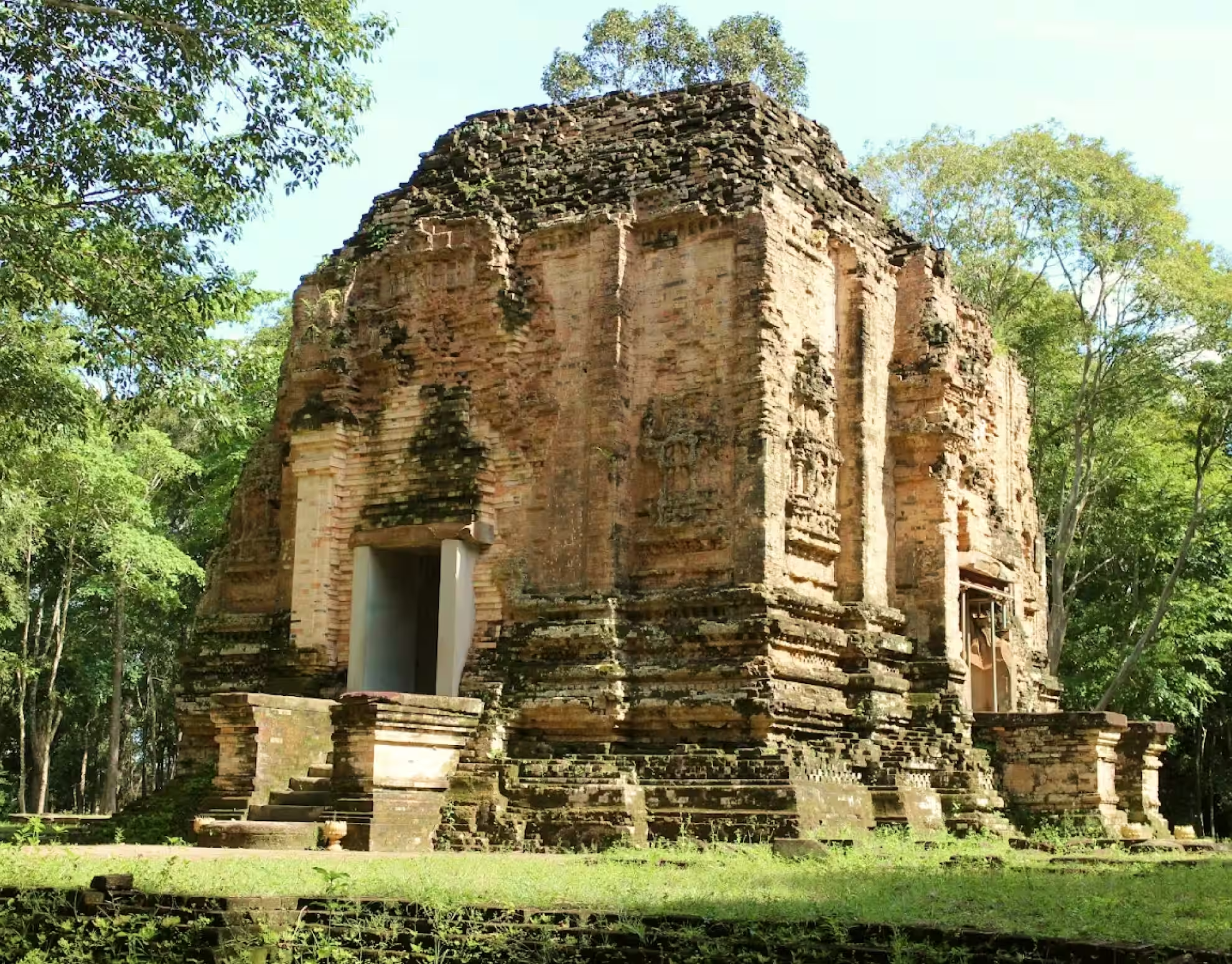
Sambor Prei Kuk Site is located northeast of the Tonle Sap Lake and approximately 30 km northeast of Kampong Thom provincial town. Most researchers conclude that this site was the former ancient capital of the Chenla Empire, which flourished during the 7th century, known as “Ishanapura”—referring to the capital of King Isanavarman I (611-635 AD).
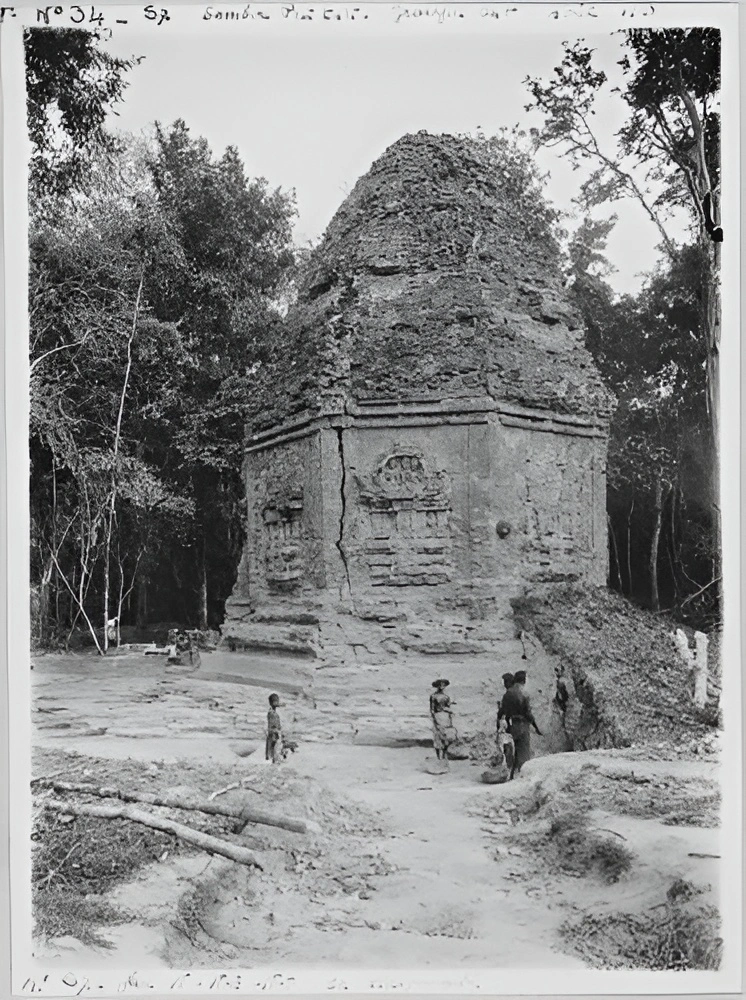
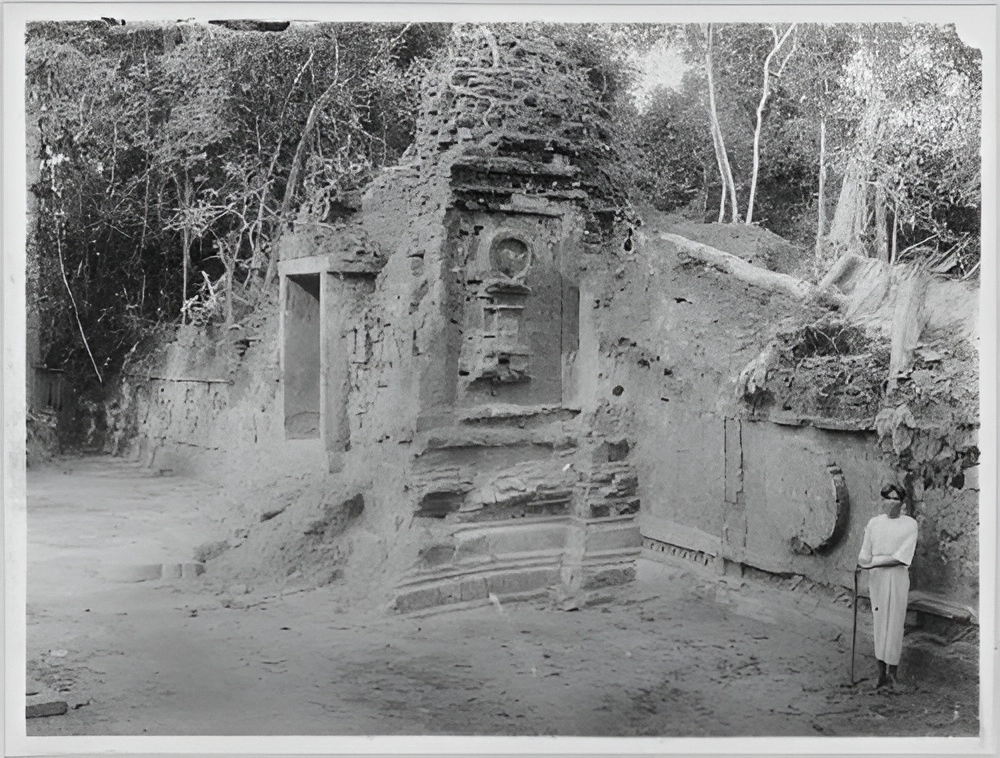
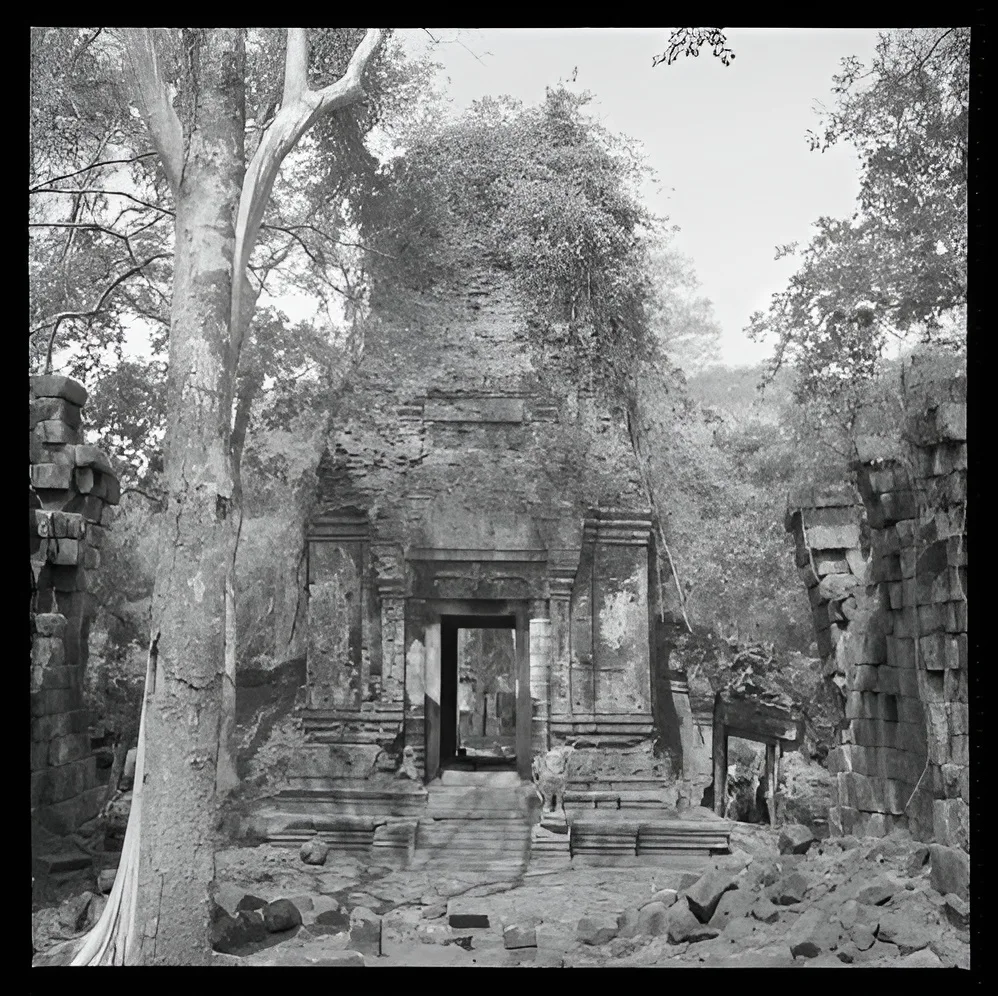
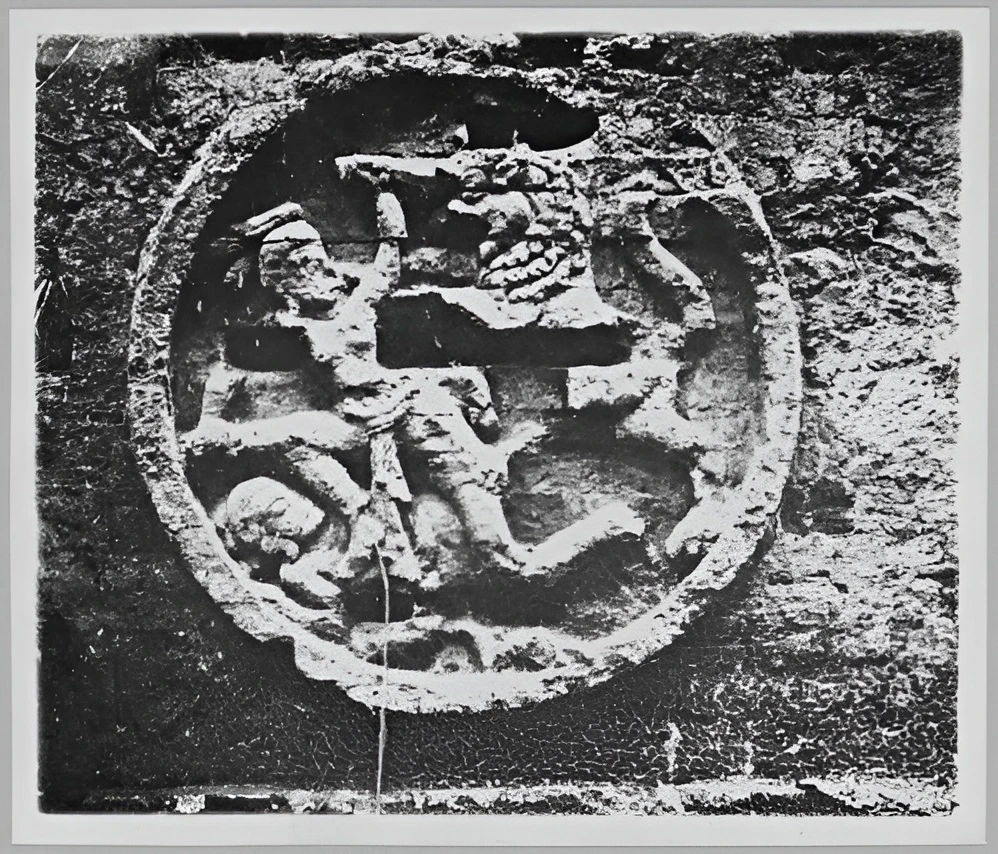
The structure of this ancient city was discovered about 1 km northwest of the Sen River, situated on a site 20 meters above sea level and about 5 meters above the floodplains adjacent to the Sen River. Within a total area of over 3,000 hectares, numerous ancient remains appear, such as earthen ramparts and moats surrounding the city, temples, ancient mounds, ponds, canals, and ancient roads. These remains form a clearly organized urban structure, which can particularly be considered the first model of a Khmer city with a square shape and a grid system.
Regarding the context of art history, Sambor Prei Kuk is regarded as a pre-Angkorian style with unique characteristics in architecture, art, and iconography. Interestingly, the forms of Sambor Prei Kuk art are distinctive, likely representing a synthesis between local and foreign art, especially relating to art from Northern India and certain arts that flourished along the Silk Road in Central Asia. Within this site, the presence of art and temple constructions from different periods is found, continuing from the pre-Angkorian era through to the Angkorian era.
In summary, the Sambor Prei Kuk site was a major pre-Angkorian ancient capital that thrived during the reign of King Isanavarman I. Human settlement in this city continued until the Angkorian era, as evidenced by carvings, inscriptions, and temple structures. Specifically, the presence of various artistic forms is found starting from the 7th century through to the 10th century. Furthermore, the artistic forms of Sambor Prei Kuk are unique and have connections with foreign art, particularly from the Central Asian region.
On July 8, 2017, the Sambor Prei Kuk Temple Group was inscribed on the World Heritage List during the meeting in Krakow, Poland, based on three main criteria: (ii), (iii), and (iv) of outstanding universal value in history, art, and architectural construction.