Tangible Cultural Heritage
The Law on the Protection of Cultural Heritage of the Kingdom of Cambodia, promulgated on January 25, 1996, defines the scope of “Tangible Cultural Heritage” as cultural property created by human beings or natural phenomena. These assets possess scientific, historical, artistic, or religious characteristics that reflect stages in the evolution of civilization or nature, and whose protection is of vital importance and benefit to the general public.
According to the 1972 UNESCO Convention Concerning the Protection of the World Cultural and Natural Heritage, “tangible cultural heritage” refers to cultural properties that have physical form, can be seen and touched, and are produced by human agencies from the past. This includes; historical sites, monuments, architectural structures, works of arts and various form of antiquities that possess outstanding universal value in term of, historic, artistic, scientific, ethnological or anthropological points that recognized by a nation as its national heritage identity.
Tangible cultural heritage holds invaluable significant in reflecting history, societal development, civilization and national identity. The preservation and of cultural heritage aims to safeguard evidence of past prosperity and historical events, attract tourists to promote the economy, and provide a source of knowledge and research for future generations.
Tangible Cultural Heritage
is divided into 3 main categories as follows:
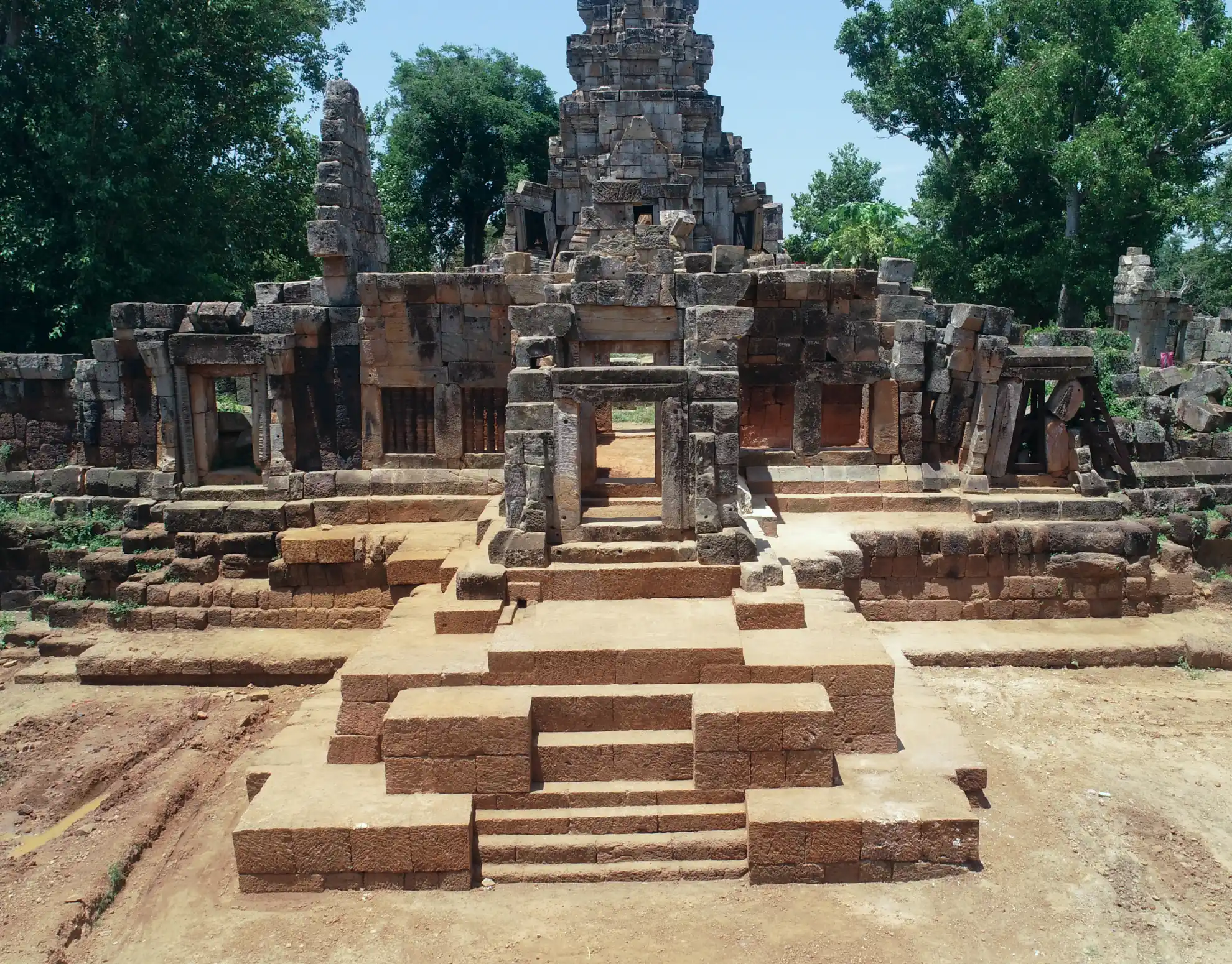
Immovable cultural heritage
Refers to architectural structures or sites that are attached to the land and cannot be relocated including ancient temples, royal palaces, ancient cities, archaeological sites, monasteries, historical buildings, and various memorials and monuments.
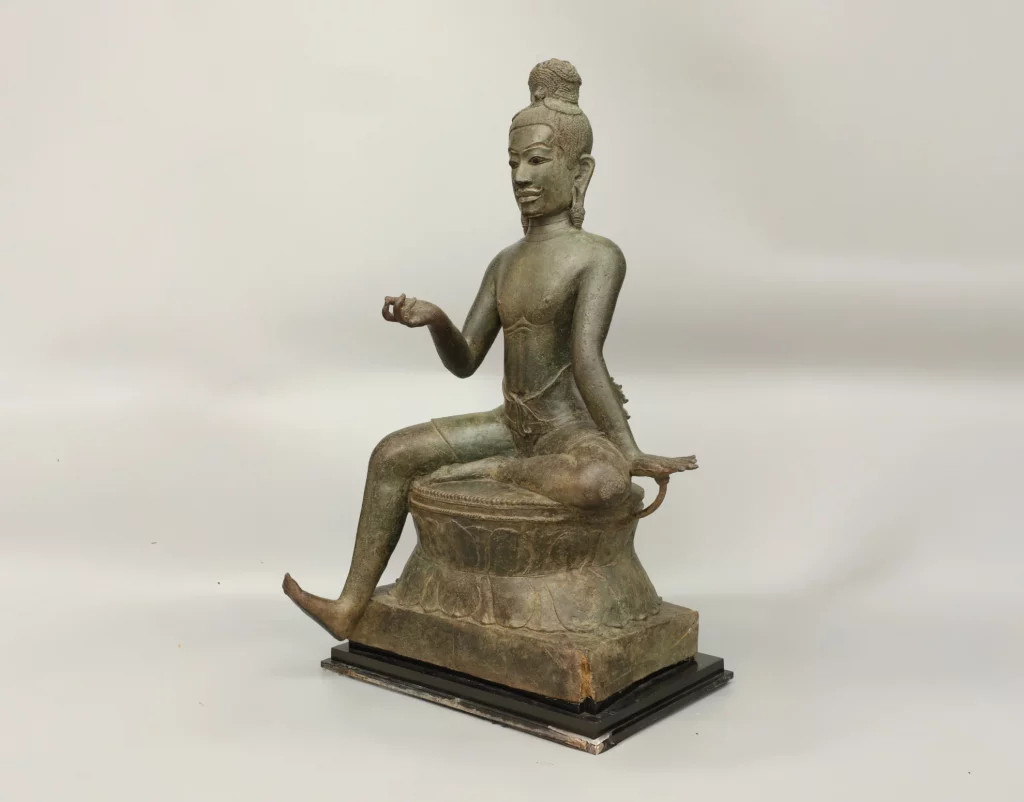
Movable cultural heritage
Refers to objects that can be moved from one place to another place, and that possess historical, artistic, or scientific value. Examples include sculptures, paintings, inscriptions, pottery and ceramics, ancient jewelry, palm-leaf manuscripts, ancient books, coins, and utilitarian objects from past, most of which are preserved/kept in museums.
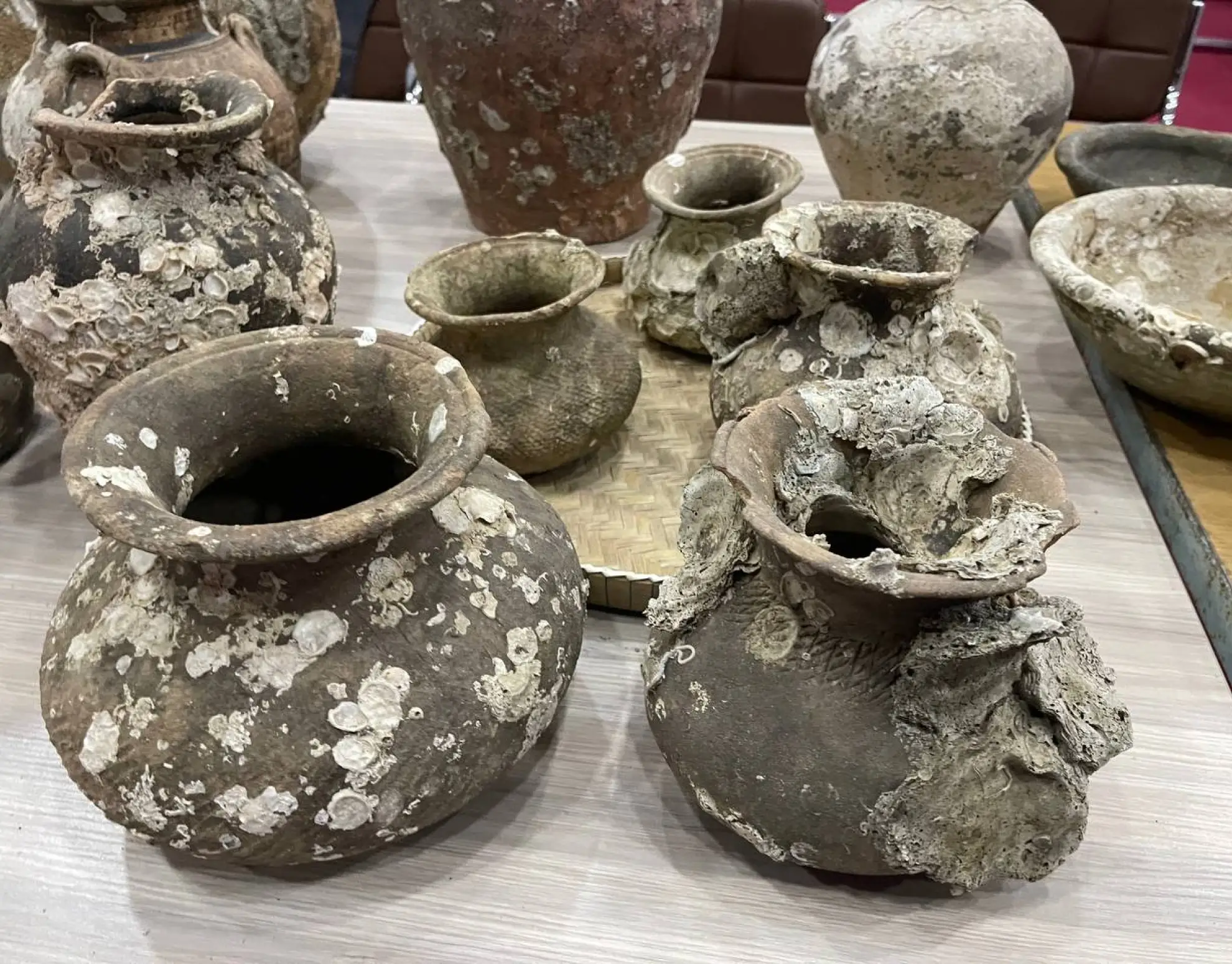
Underwater Cultural Heritage
Refers to cultural property that has been submerged underwater, partially or entirely, for a long period of time. This includes shipwreck remains, submerged cities or its structures, and antiquities found on seabed or rivers.
Inscription of Tangible
Cultural Heritage by UNESCO
As of 2026 Cambodia’s tangible cultural heritage inscribed on the UNESCO World Heritage List includes:
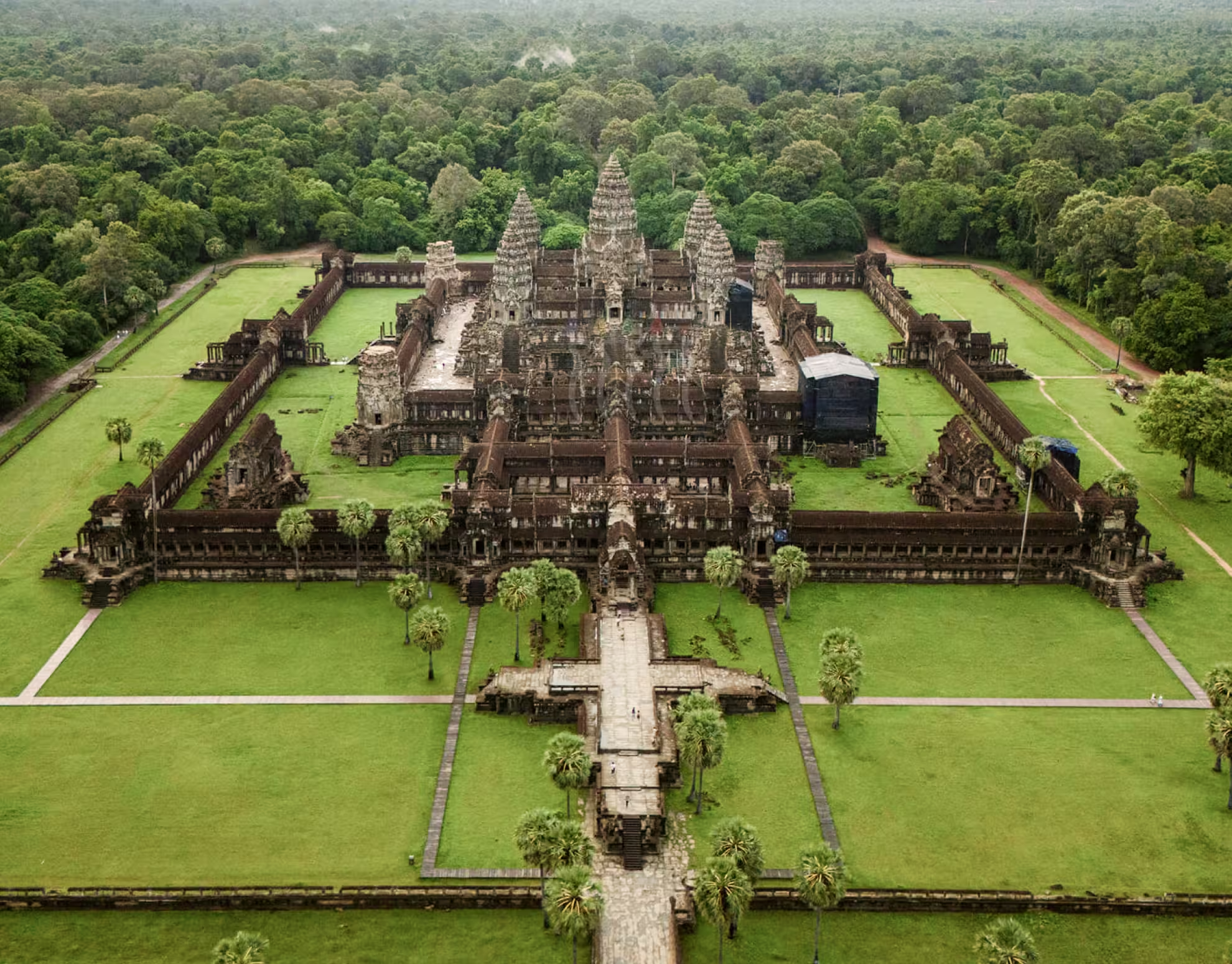
Angkor
Registered on :
14 December, 1992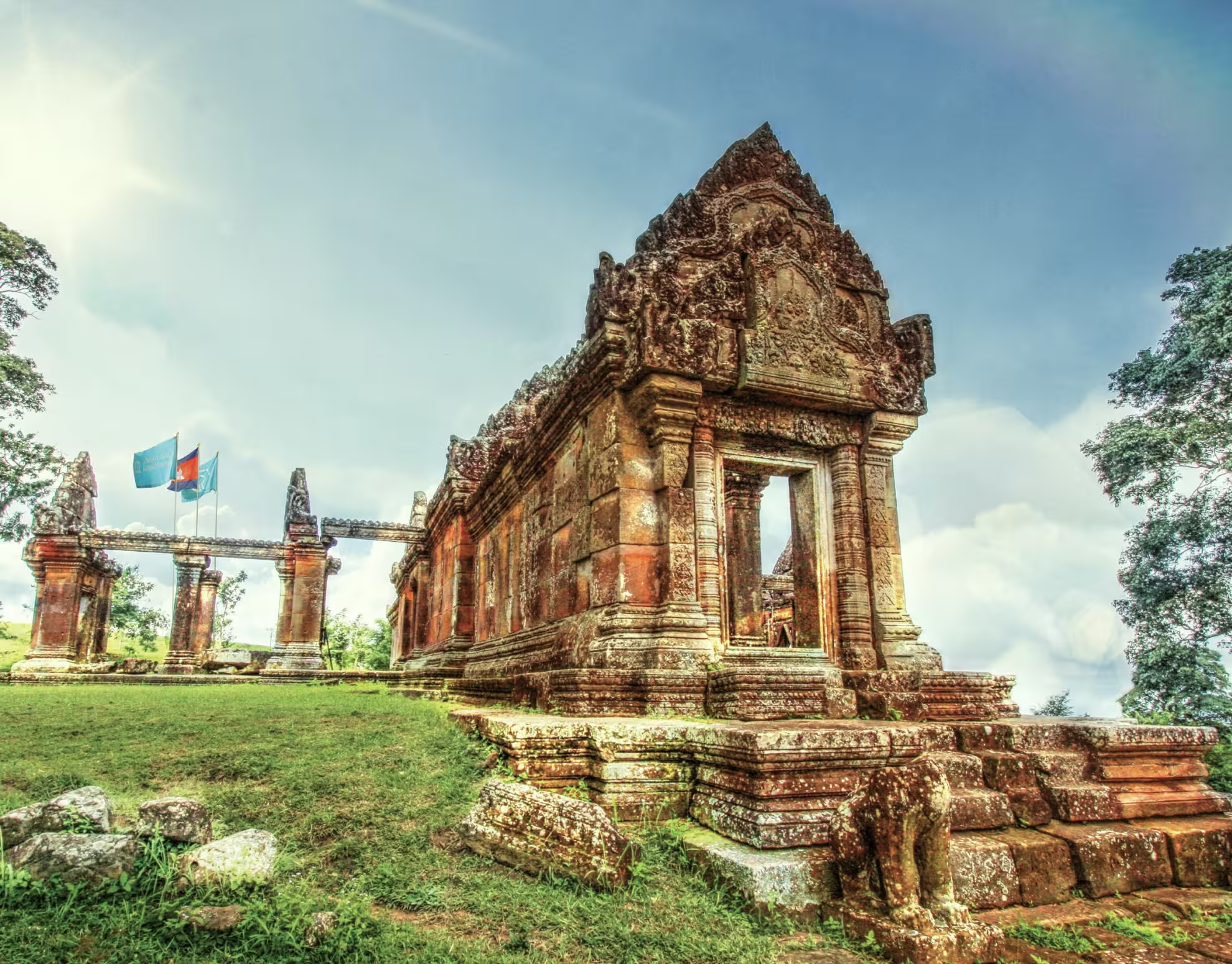
Temple of Preah Vihear
Registered on :
07 July, 2008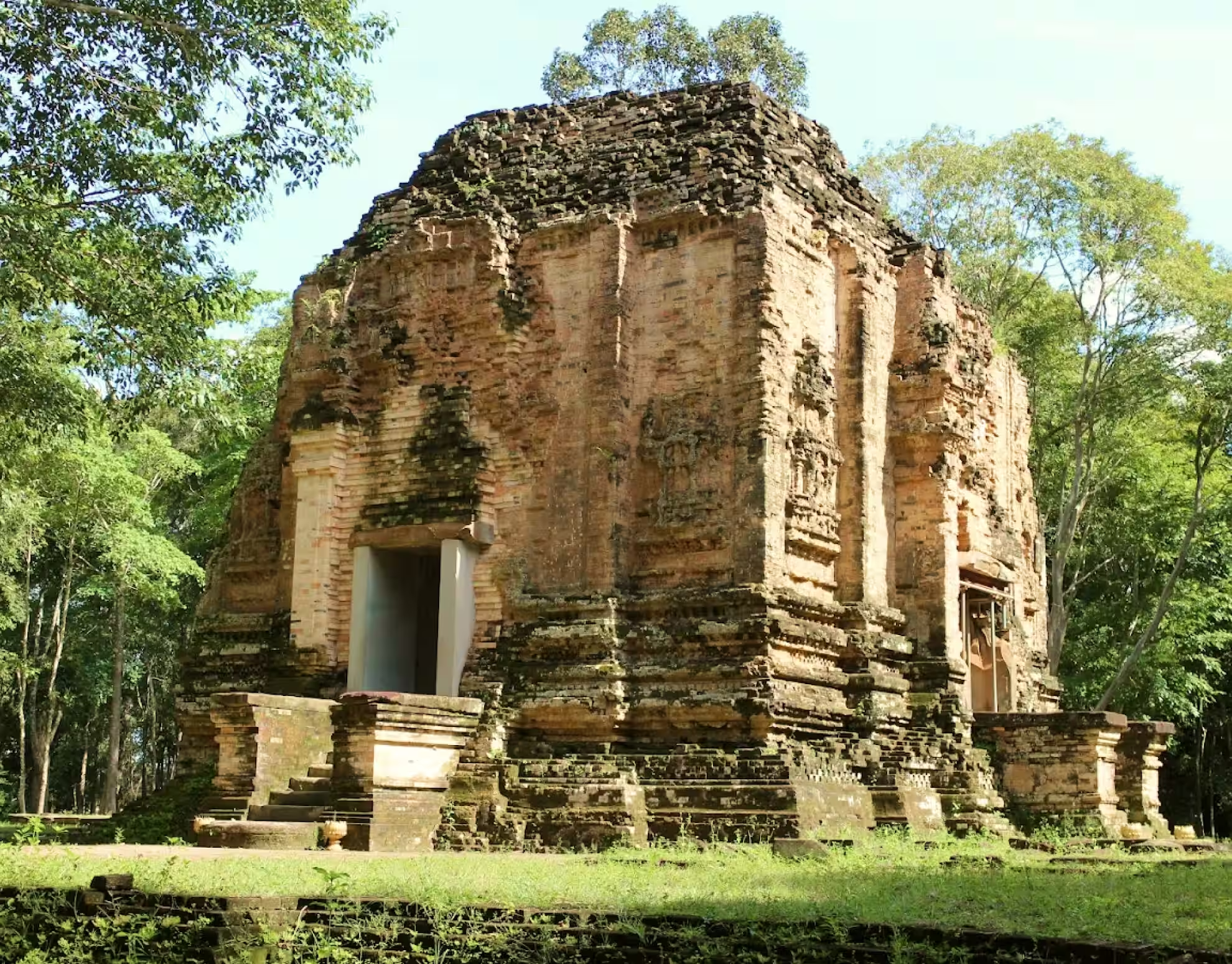
Temple Zone of Sambor Prei Kuk, Archaeological Site of Ancient Ishanapura
Registered on :
08 July, 2017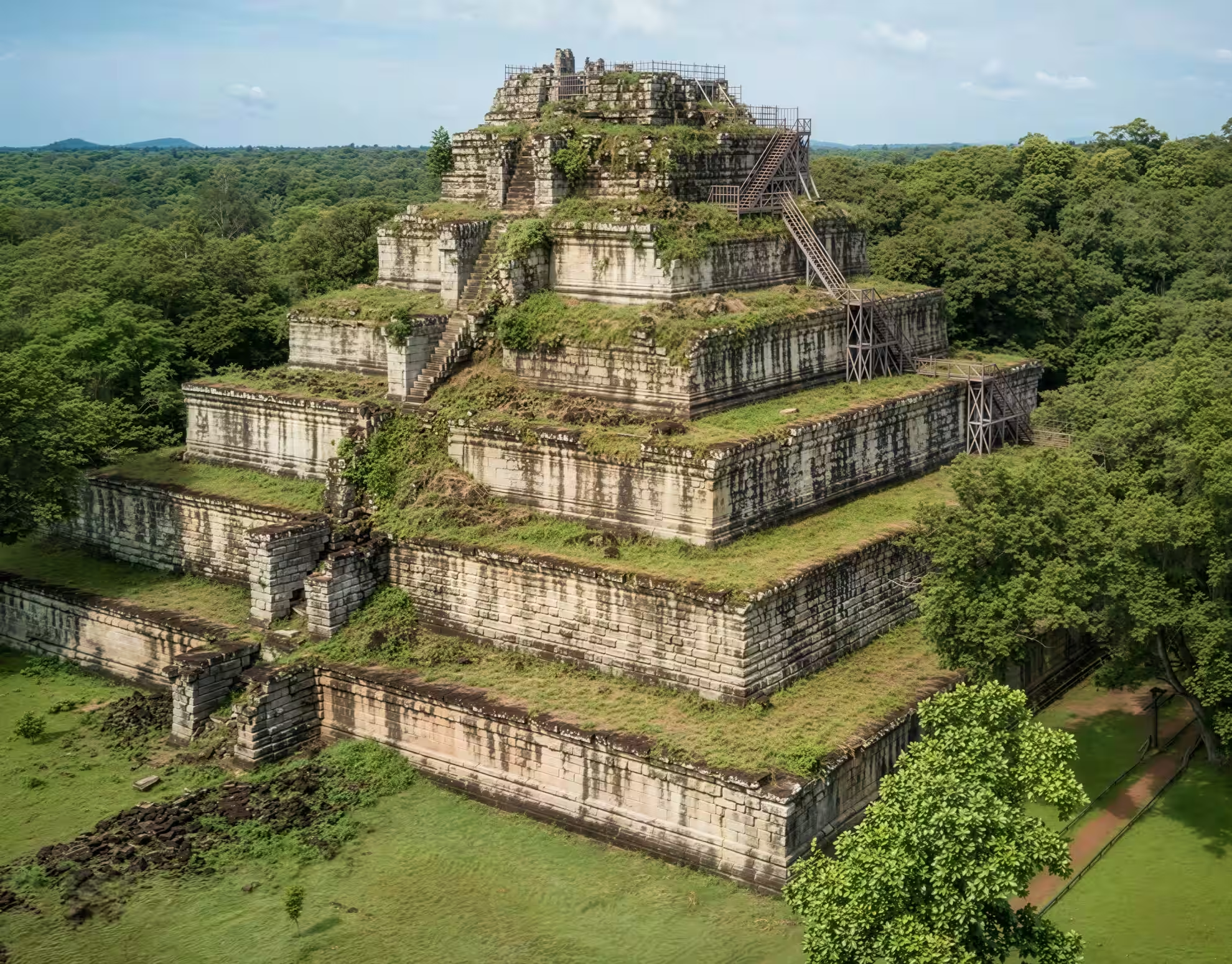
Koh Ker: Archaeological Site of Ancient Lingapura
Registered on :
17 September, 2023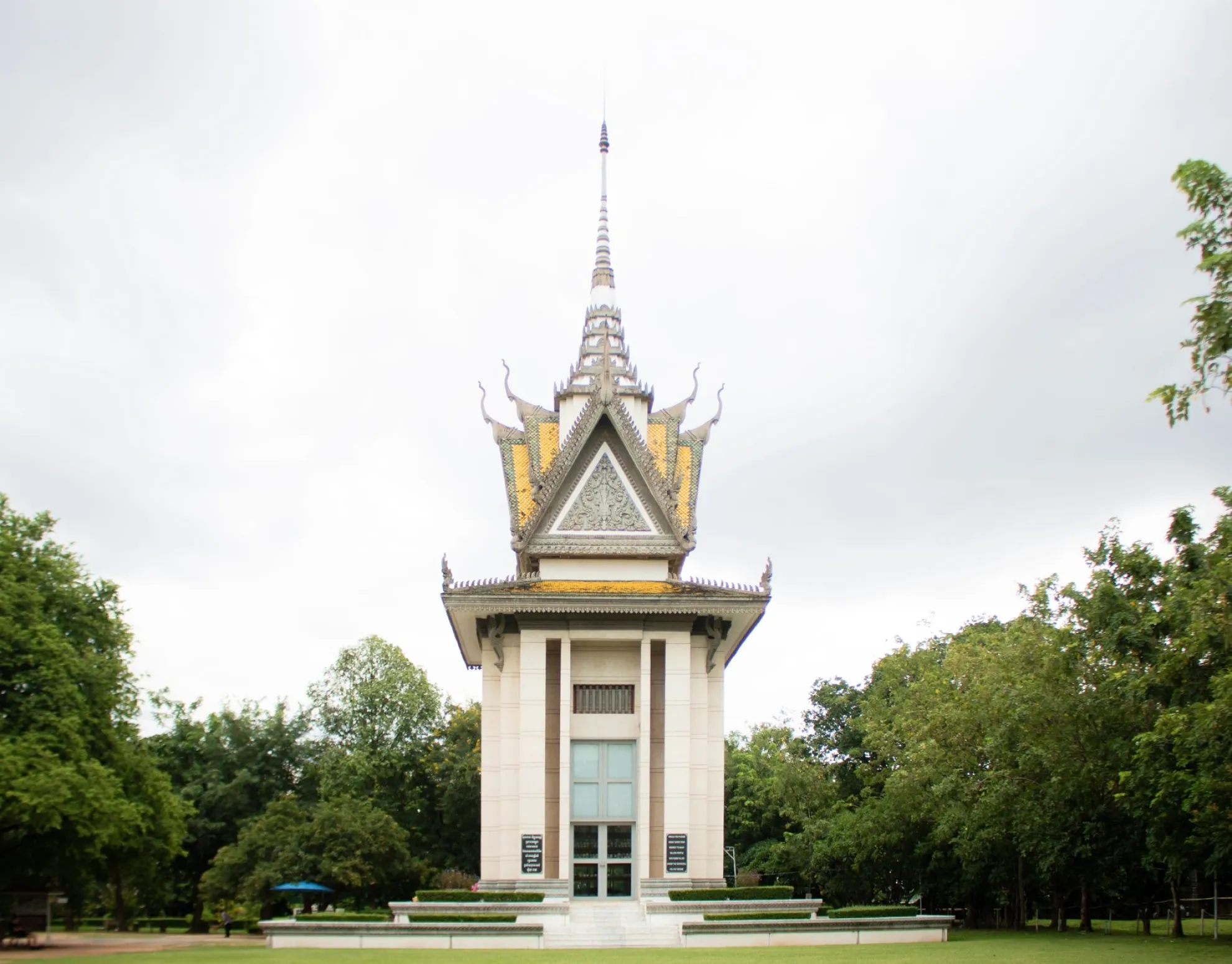
Cambodian Memorial Sites: From centres of repression to places of peace and reflection
Registered on :
11 July 2025