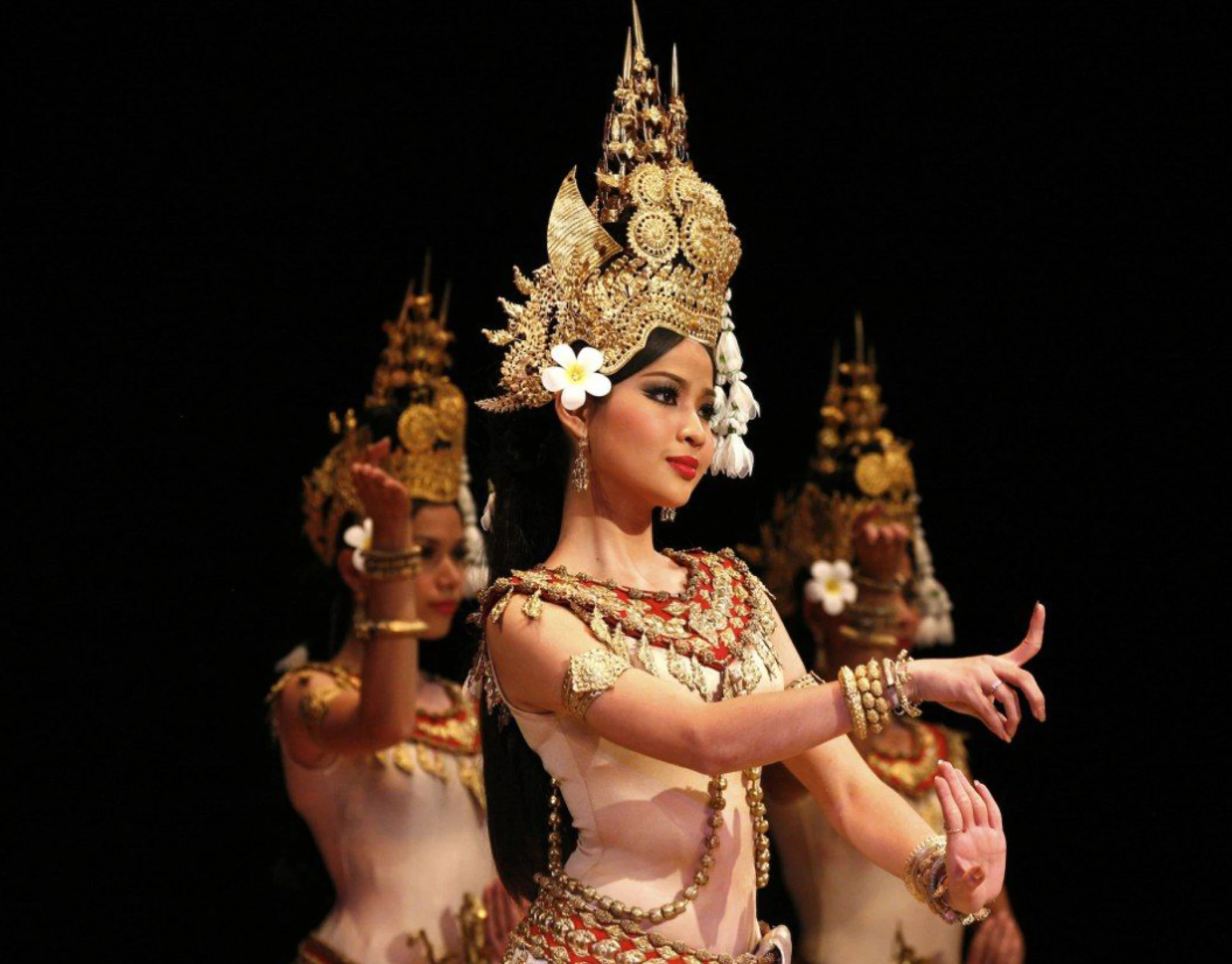
The Royal Ballet of Cambodia, also known as Khmer Classical Dance, is a highly sacred form of performing arts. When performed as a pure dance form, it is called “Robam,” such as Robam Sovann Maccha or Robam Phuang Neari. When a specific story is extracted for performance, it can also be referred to as “Lakhon,” such as episodes from the Reamker, Jataka tales, the story of Vessantara, or various legends. Occasionally, the Royal Ballet is called “Lakhon Luong” (The King’s Theatre) because it was traditionally based within the Royal Palace.
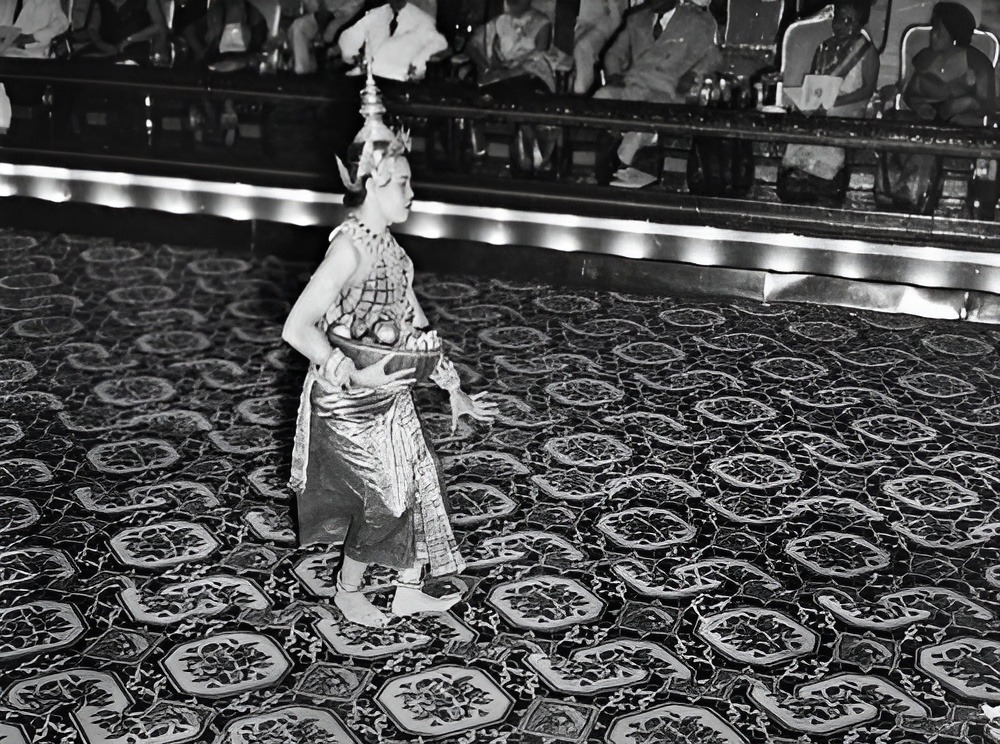
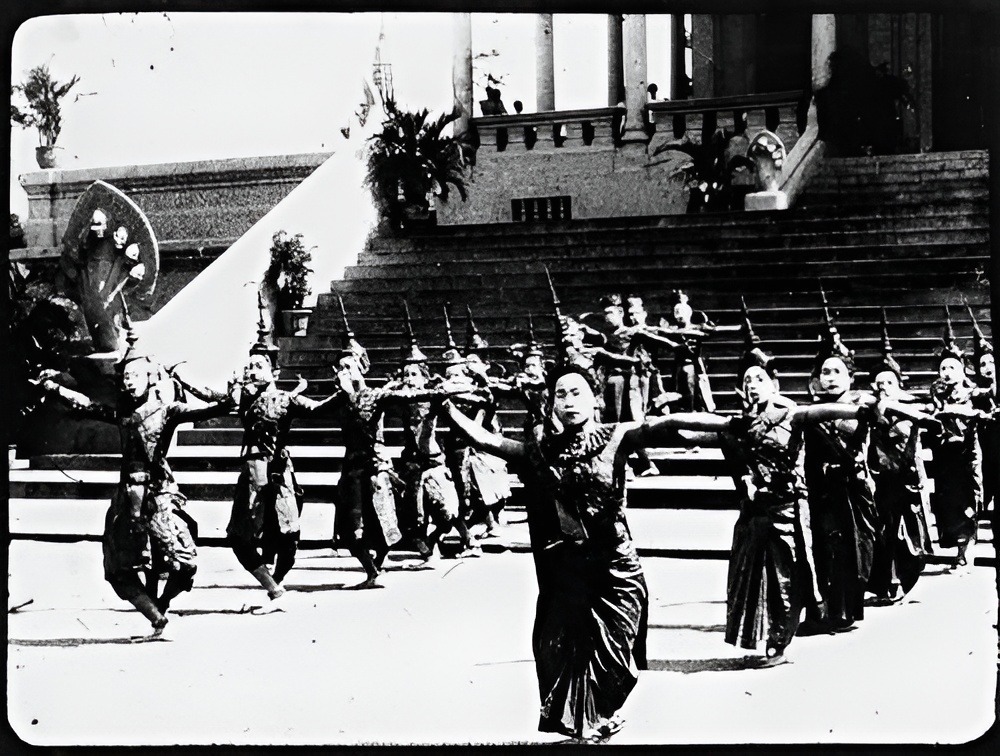
The Royal Ballet is typically performed during royal ceremonies related to the Monarch and various festivals, including Royal Coronations, weddings, and public holidays. In the past, dancers lived within the palace and had to practice Khmer classical dance every day starting from the age of eight. Training was rigorous and strictly supervised by dance mistresses who were former veteran dancers.
Notably, the Royal Ballet was traditionally performed entirely by women. The reason classical dance featured only female dancers likely stems from the origin of Apsaras—celestial nymphs or heavenly dancers—who were born from the Churning of the Ocean of Milk and were purely female. Furthermore, the meaning of the word “Srey” (Sanskrit: Siri) implies glory, prosperity, or good fortune. Combined with Khmer perspectives, women represent purity, cherished treasure, and sacred blessings; they symbolize prosperity and happiness. A unique feature of the Royal Ballet is its status as a divine and sacred dance art born from religion, serving as a medium to carry prayers and supplications from earth to heaven, which is why only women were dancers. However, the role of the monkey was later changed to be performed by men, a tradition that continues today after Queen Kossamak Nearirath ordered male dancers from Wat Svay Andet to join.
The Royal Ballet is an art form where dancers use gestures and emotional expressions to narrate a story without singing or speaking themselves. The costumes and jewelry of the prince characters are identical to the King’s coronation attire, while the costumes for the princesses are similar to those worn by women during significant life events. For other characters such as giants (Yeak) and monkeys (Sva), they wear masks made of paper, decorated and painted to identify and clarify each role. Dressing and makeup are done with great care and take a long time, as the costumes must be sewn onto the dancers’ bodies to ensure they do not fall off and fit the silhouette perfectly. As mentioned, since the ballet uses gestures to convey meaning, the singers play a vital role. The accompanying musical ensemble is the Pin Peat orchestra.
Among many Khmer art forms, the Royal Ballet is a high and noble sacred form that embodies the deep meaning of Khmer identity and nationality. It shares similarities with Lakhon Khol (masked theatre) and Sbek Thom (large shadow puppets) because of its ancient origins and its religious connection as an art form performed for sacred sites or divinities. Similarly, all three forms utilize the Pin Peat orchestra for accompaniment and have narrators (the “Poul”) to describe the story as it unfolds.
The Royal Ballet is unique for its aesthetic value of gentle, flawless performance combined with clear traditions and foundational dance movements. The basic hand gestures of the Royal Ballet represent “Sprout, Leaf, Flower, Fruit,” creating four meanings: “Sprout” means birth, “Leaf” means evolution, “Flower” means growth, and “Mature Flower falling” means vanishing. When the mature flower falls, seeds drop to grow and continue the cycle of Sprout, Leaf, Flower, and Fruit once more.
The invaluable worth and deep significance of the Royal Ballet have been recognized globally, attracting interest from all over the world. This theatre was inscribed on the UNESCO Representative List of the Intangible Cultural Heritage of Humanity on November 07, 2003.