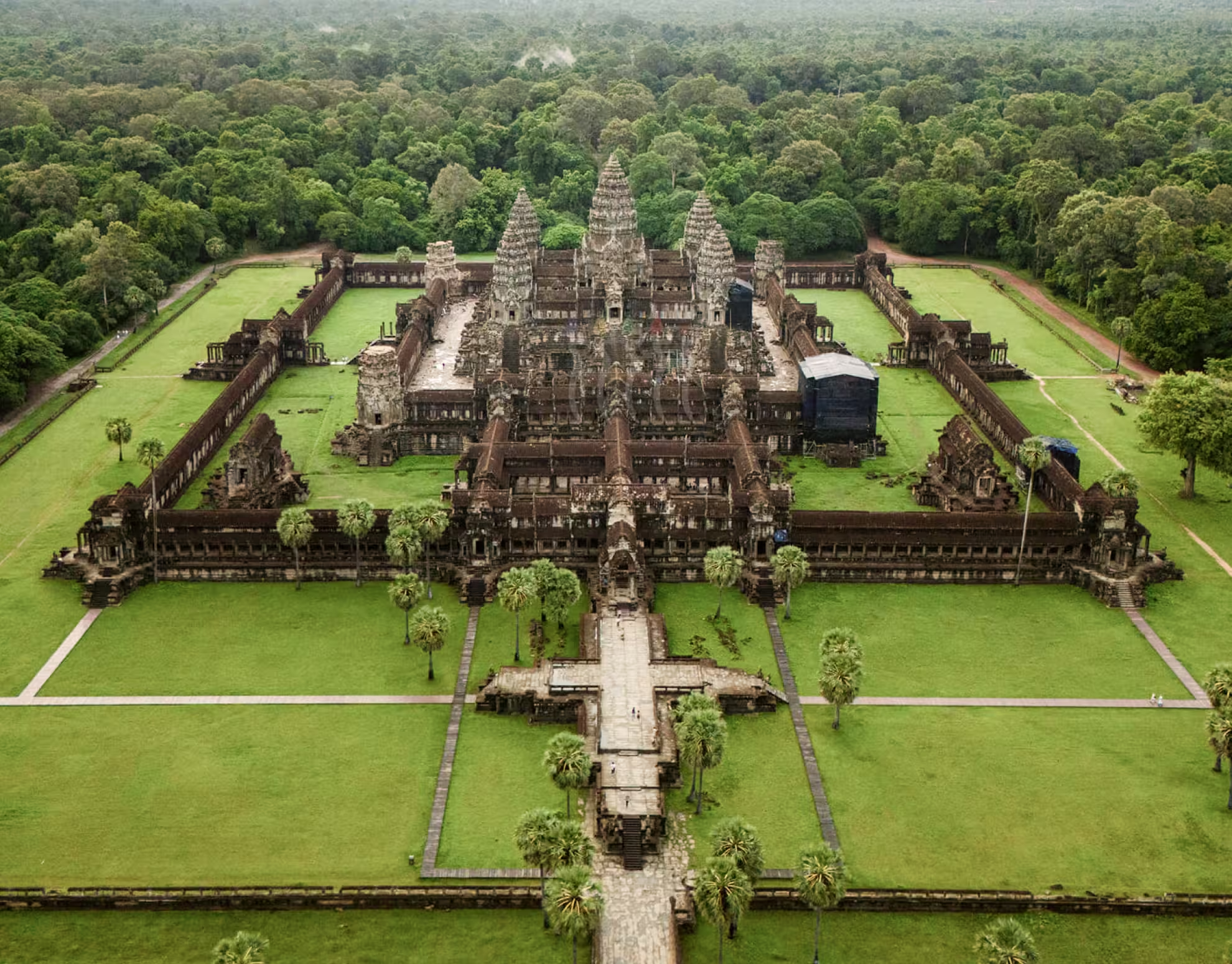
Angkor is a major sanctuary of Cambodia located in Siem Reap province in the northern part of the country, approximately 330 kilometers from the capital city of Phnom Penh. This area was the former capital of the Khmer Empire, originally named “Yasodharapura,” from the 9th to the 14th centuries, situated on the plain between Tonle Sap Lake to the south and Kulen Mountain to the north.
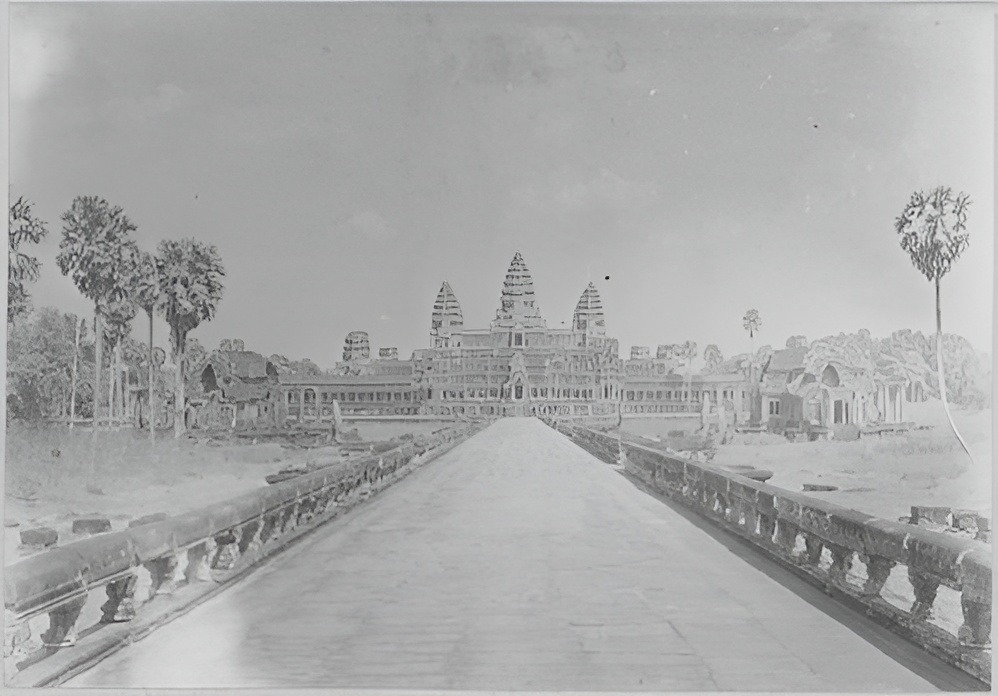
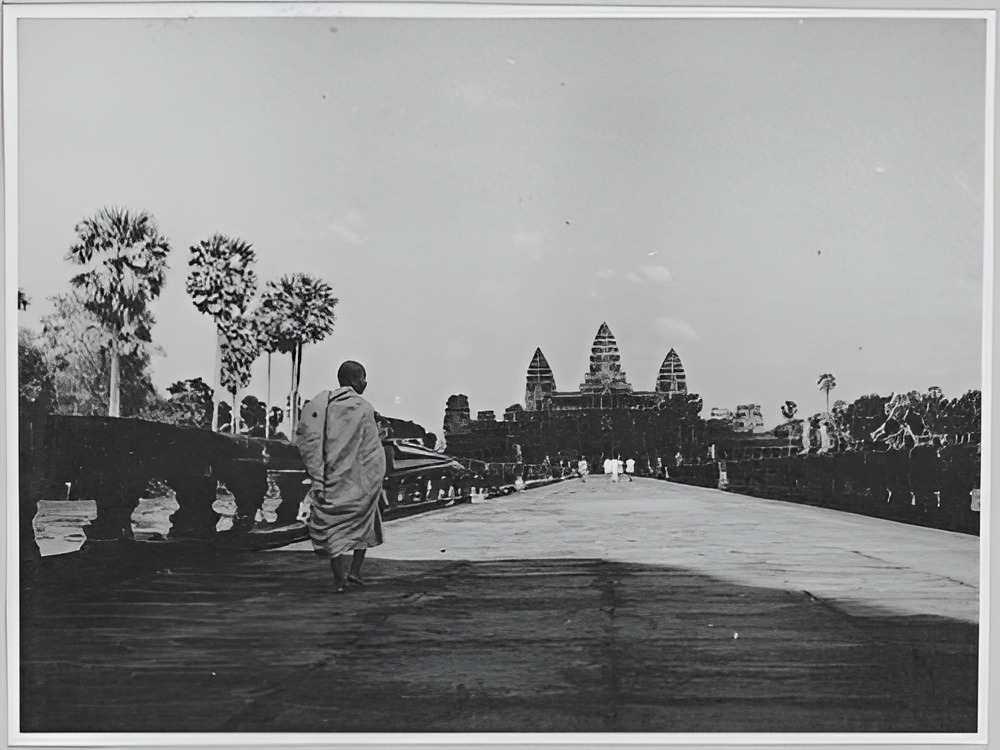
The Angkor region extends to Kulen Mountain, the Roluos area, the regions along the Tonle Sap lake, and as far as Puok Stream. Numerous pieces of evidence such as archaeological remains, architectural structures, inscriptions in Sanskrit and Old Khmer, urban planning, state management systems, artistic masterpieces, irrigation systems, communication road networks, iron industries, and ceramics are all vital sources demonstrating the Angkorian civilization and the influence of the power of the Angkor Empire.
Although Angkor became the capital of the Khmer Empire from the 9th century onwards, according to archaeological evidence, this region has been inhabited since prehistoric times and has continued to the present day without interruption.
Angkor is one of the most important heritage sites among other ancient heritages of humanity. The Angkor site was inscribed on the World Heritage List on December 14, 1992, covering an area of approximately 401 square kilometers, divided into three main zones: the Angkor area, the Roluos area located south of the Angkor area, and the Banteay Srei area located north of the Angkor area.