Tonle Snguot Temple: From an Ancient Hospital to a Living Cultural Heritage
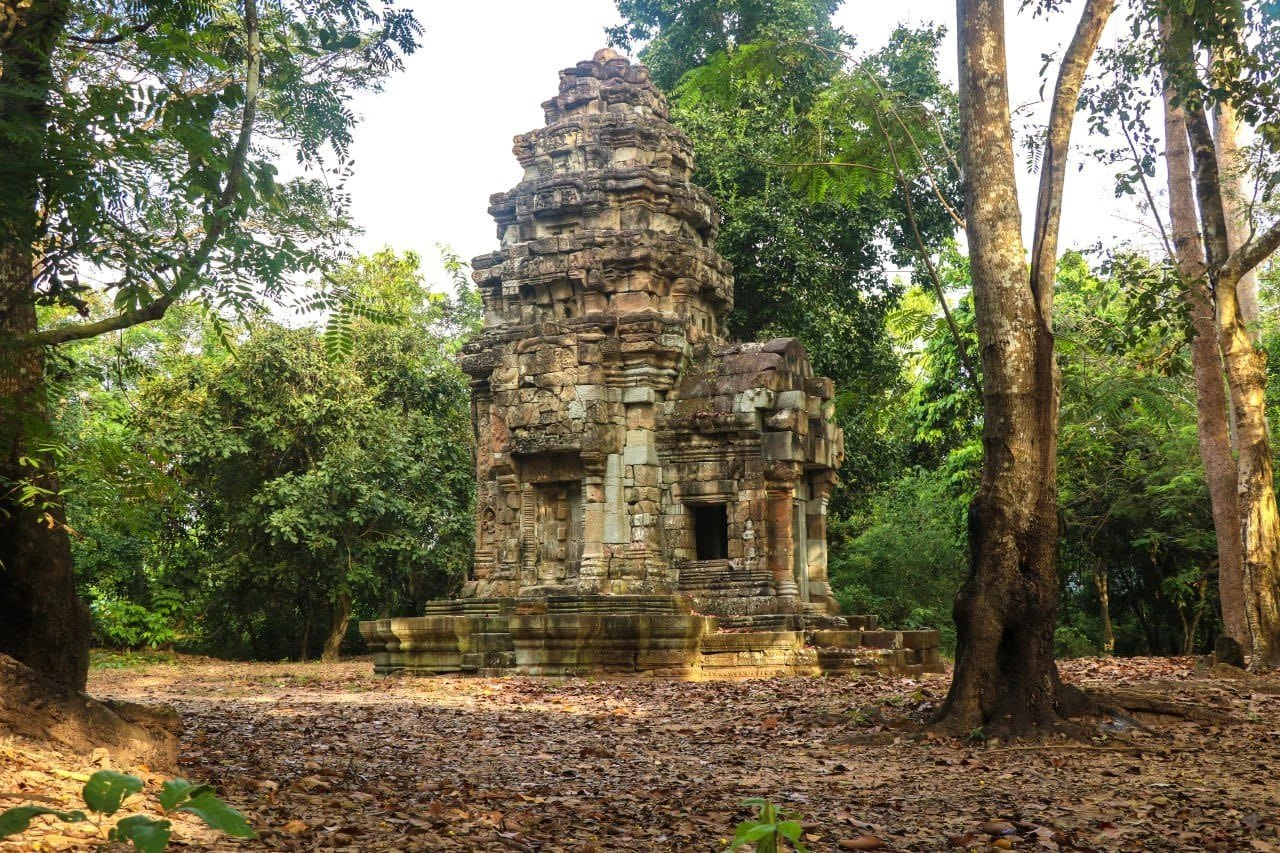
Tonle Snguot Temple is not merely a sandstone structure standing against the test of time, but a testament to the “mercy” of the great Khmer King, Jayavarman VII. As one of the 102 “Arogyasala” (hospitals) built during the late 12th and early 13th centuries (Bayon style), this temple once served as both a place of worship and a medical center for the people in the northern region of Angkor.
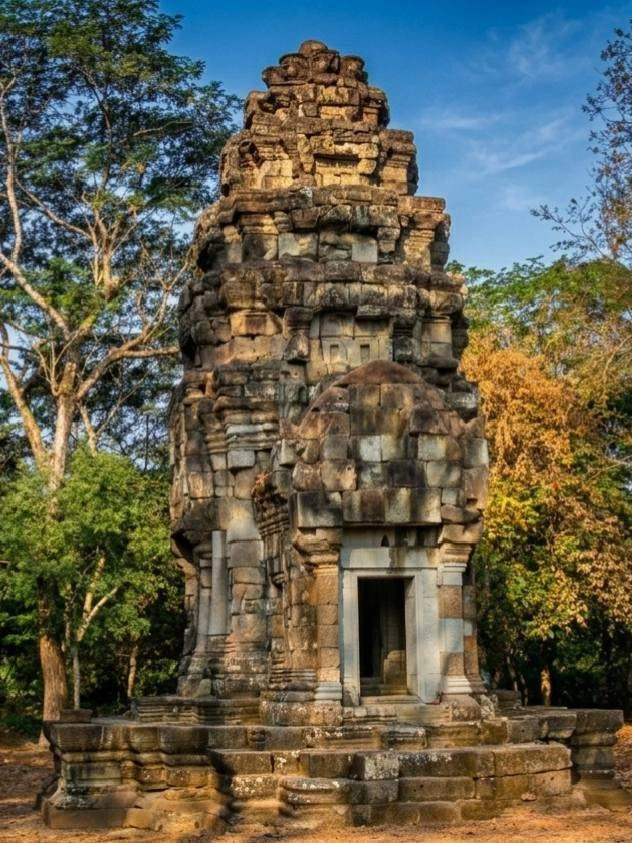
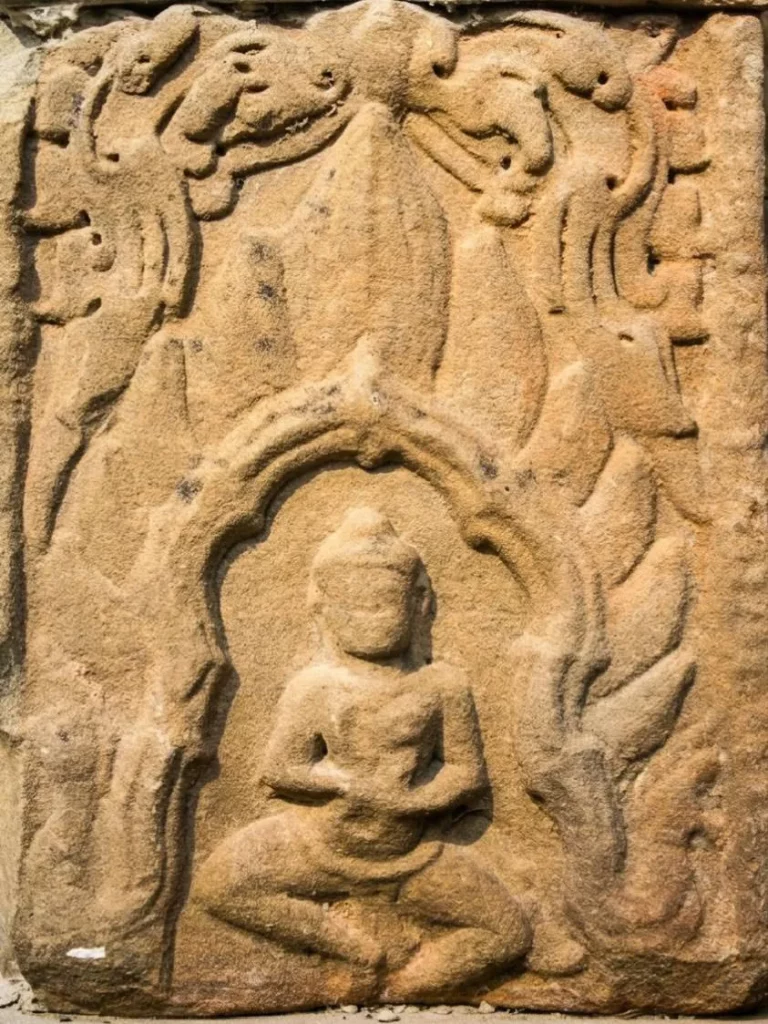
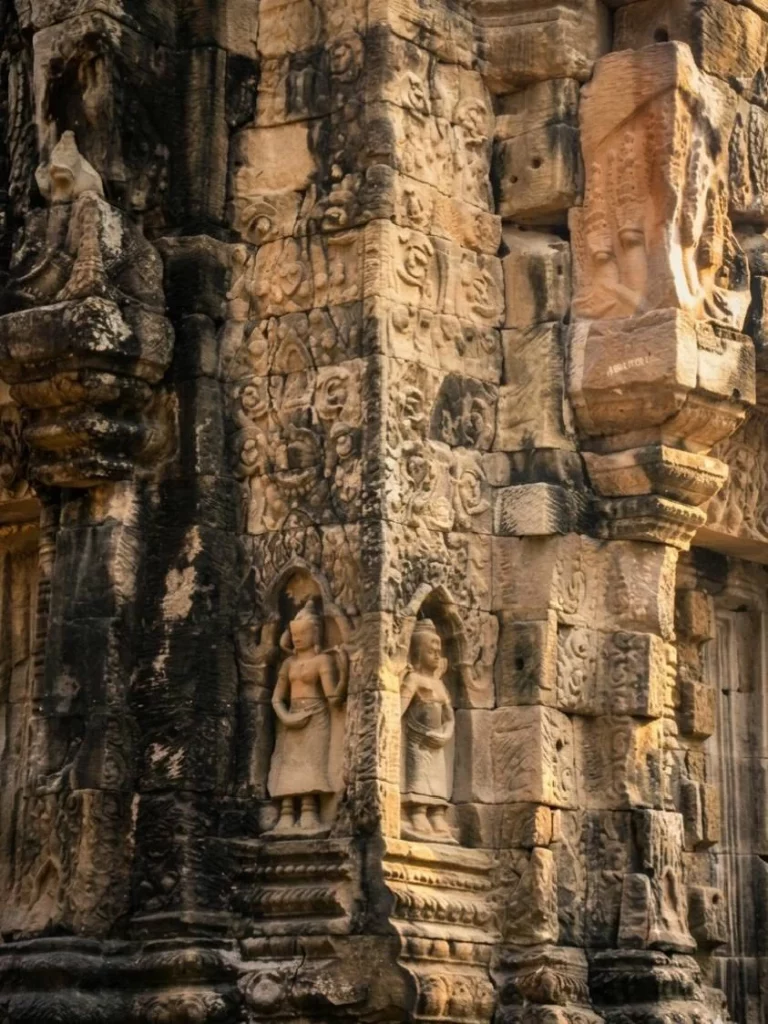
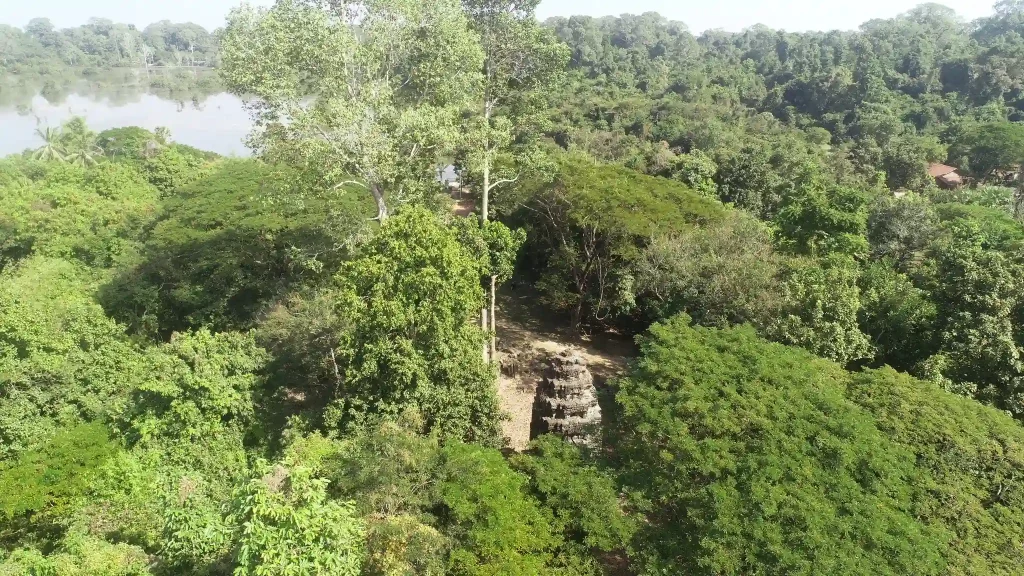
Located north of Angkor Thom (Nokor Krau Village, Kork Chak Commune), the temple was meticulously constructed from sandstone and laterite. Its central tower faces east toward a vast ancient reservoir, 800 meters long and 400 meters wide, known today as “Tonle Snguot”.
After suffering significant damage from nature that nearly led to its disappearance, Tonle Snguot Temple underwent careful restoration in two stages:
- Stage 1 (2019–2020): The APSARA National Authority repaired the temple to strengthen its dilapidated stone structures.
- Stage 2 (2025): Under the “Angkor Water Resilience” cooperation project with New Zealand, portions of the ancient dykes and roads near the temple were renovated. Furthermore, a viewing platform was constructed to benefit the community and visiting tourists.
Today, “Tonle Snguot” (Dry River) is no longer dry as its name suggests. Through the restoration of the dykes and the revitalization of the ancient hydraulic system, Tonle Snguot can now store a maximum of 770,000 cubic meters of water. This refilling provides several benefits:
- Stabilizing Temple Foundations: Moisture is maintained in the soil, utilizing the exceptional techniques of Khmer ancestors.
- Community Benefits: It enhances the aesthetic beauty and green environment of the area, serving as a vital water source for agriculture and the livelihoods of surrounding residents.
Joining together to preserve and restore the heritage of Tonle Snguot Temple is a way of connecting the veins of a glorious past to a strong and sustainable future.