Research and Conservation Work on Ceramics
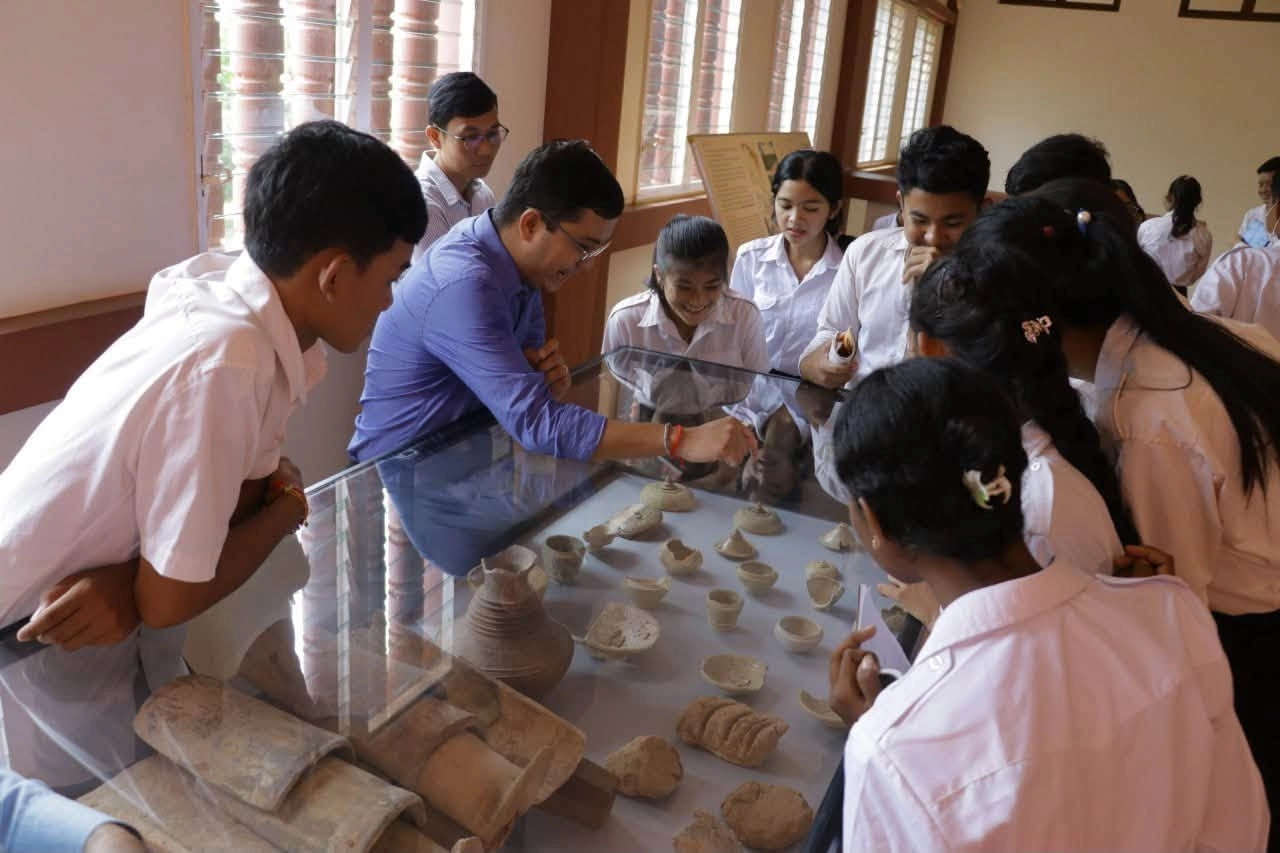
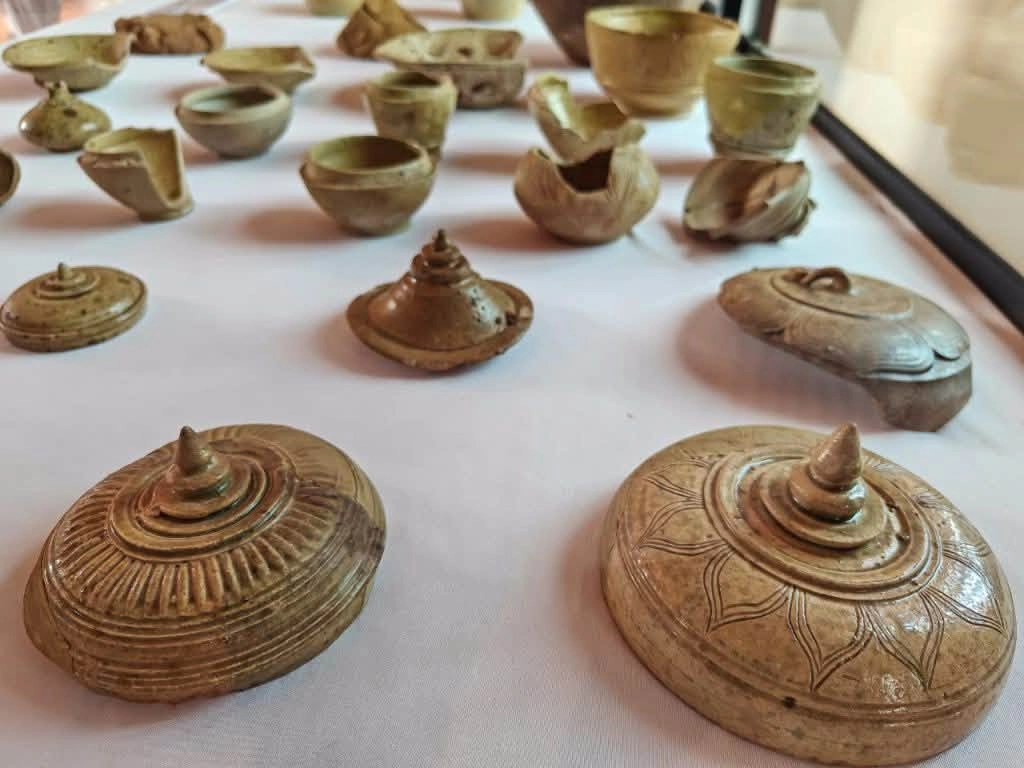
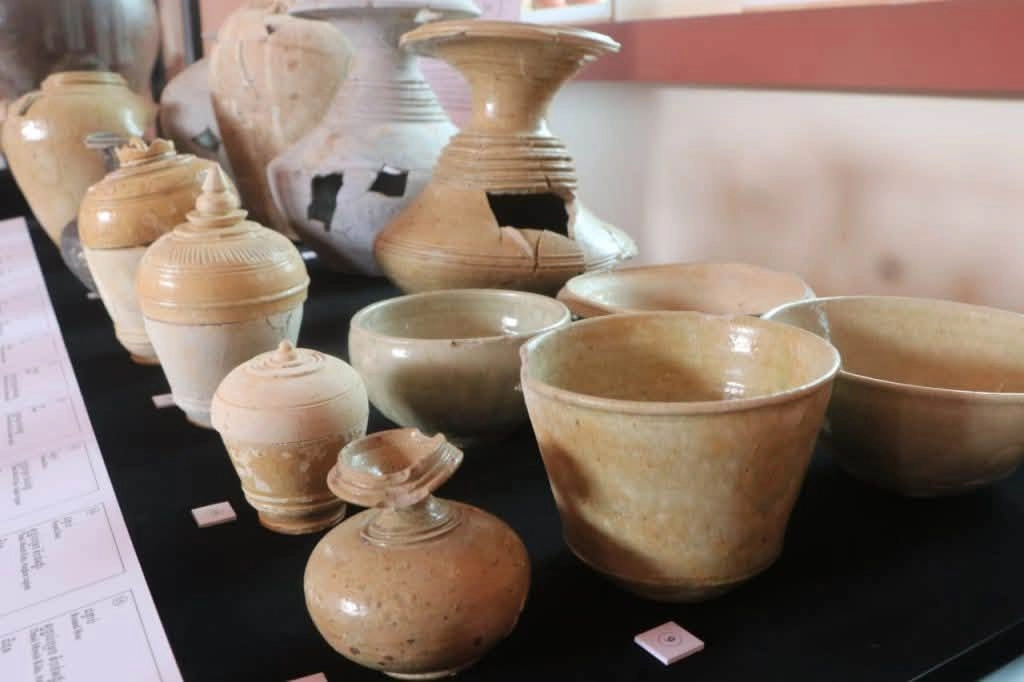
Ceramics serve as evidence demonstrating the development of ceramic manufacturing industry during the Angkorian period. Everyday items made of fired clay obtained from archaeological excavations, research, and the restoration of temples and ancient sites stand as historical evidence, including plates, pots, jars, pitchers, vases, urns, glasses, stoves, tiles, and various other creative decorative ornaments crafted by Khmer ancestors, laying a foundation and leaving a legacy for future generations.
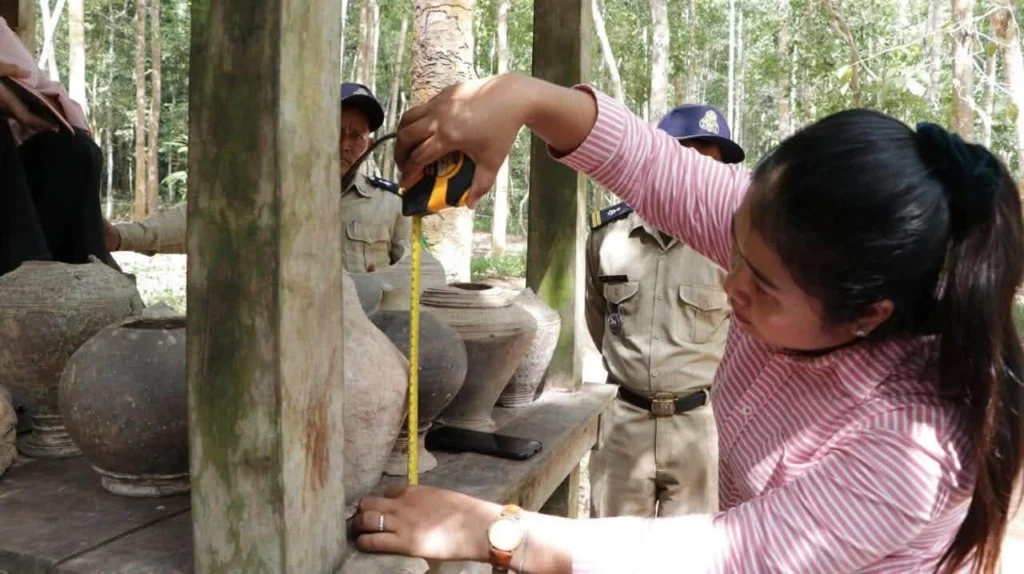
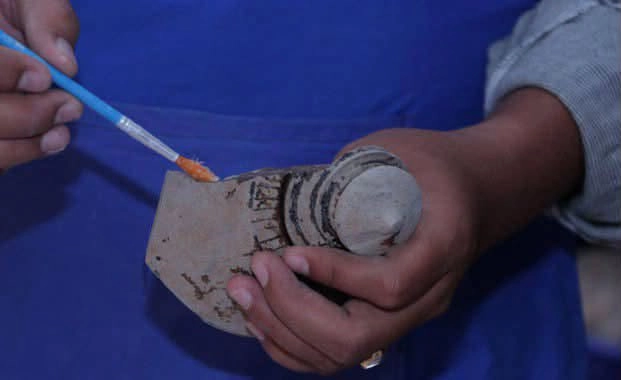
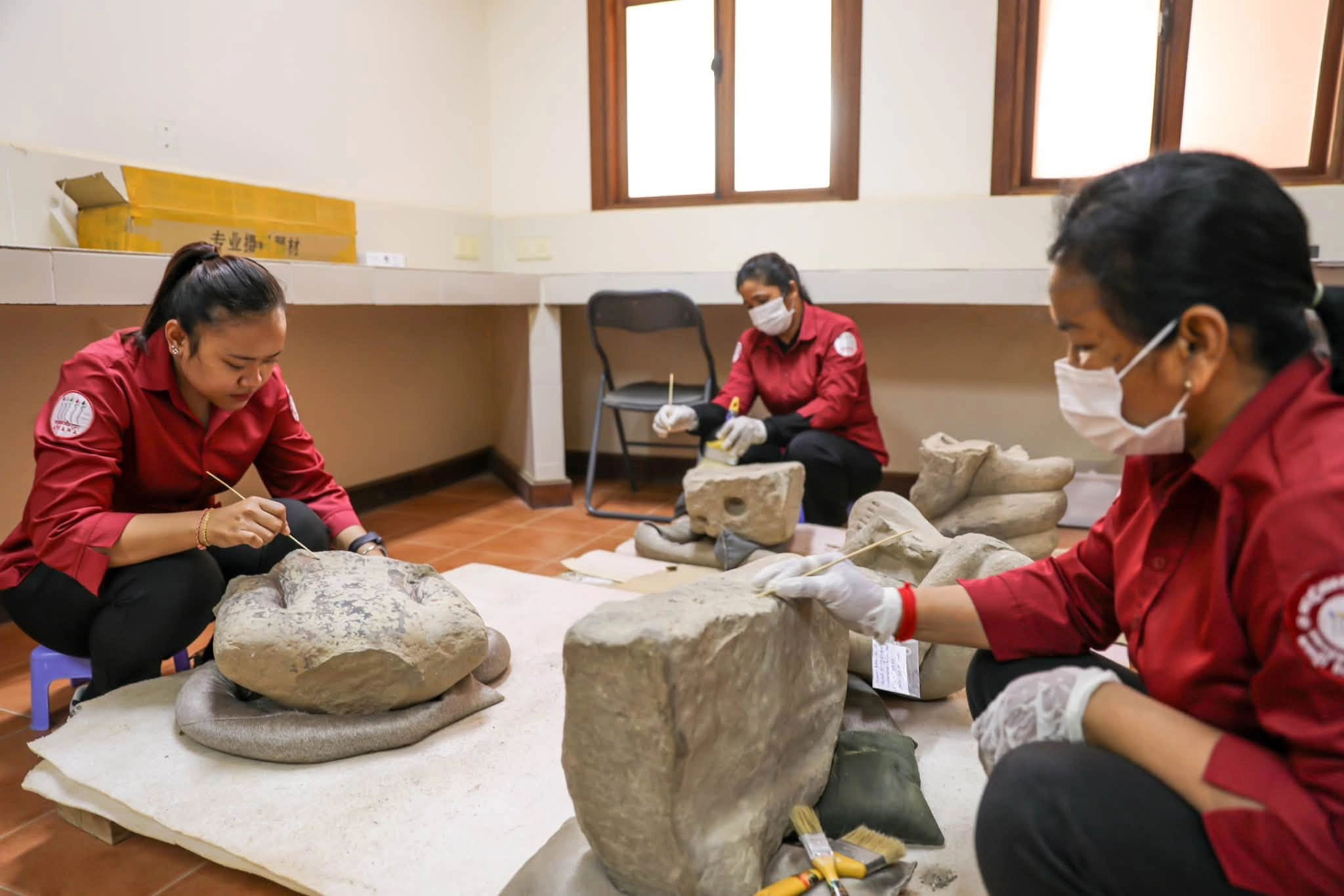
The Research Office of the Department of Research, Training, and Communication is responsible for researching and conserving artifacts. According to experts from the Research Office regarding conservation techniques for ancient ceramics, the process involves washing and cleaning, categorizing, cataloging, drawing to reconstruct ceramic forms, repairing, and conserving. Broken ancient ceramic sherds are cleaned of dust, soaked in water to extract salt using mineral-free distilled water, and bonded using epoxy glue (2-part epoxy) for hard ceramics or porcelain, while B72+B48 glue mixed with acetone at low temperature is selected for bonding fragile ceramics.
APSARA National Authority experts not only conduct research excavations and restore temples and ancient sites as historical evidence, but also regularly promote broad awareness to the general public to learn about artifacts. This is done through training courses, direct practical research by students, and exhibitions organized at the Preah Norodom Sihanouk-Angkor Museum highlighting the production and use of ceramics in the Angkor region, as well as displays at the Tani Ancient Khmer Ceramic Museum for the public to understand and participate in preserving ancient heritage.