Intangible Cultural Heritage
According to the 2003 UNESCO Convention, “Intangible Cultural Heritage” refers to the practices, representations, expressions, knowledge, and skills (including the instruments, objects, artifacts, and cultural spaces associated therewith) that communities, groups, and, in some cases, individuals recognize as part of their cultural heritage.
Intangible cultural heritage is transmitted from generation to generation and is constantly recreated by communities and groups in response to their environment, their interaction with nature, and their history, providing them with a sense of identity and continuity.Thus, intangible cultural heritage helps promote respect for cultural diversity and human creativity.
Intangible Cultural Heritage
can manifest in any of the following 5 forms:
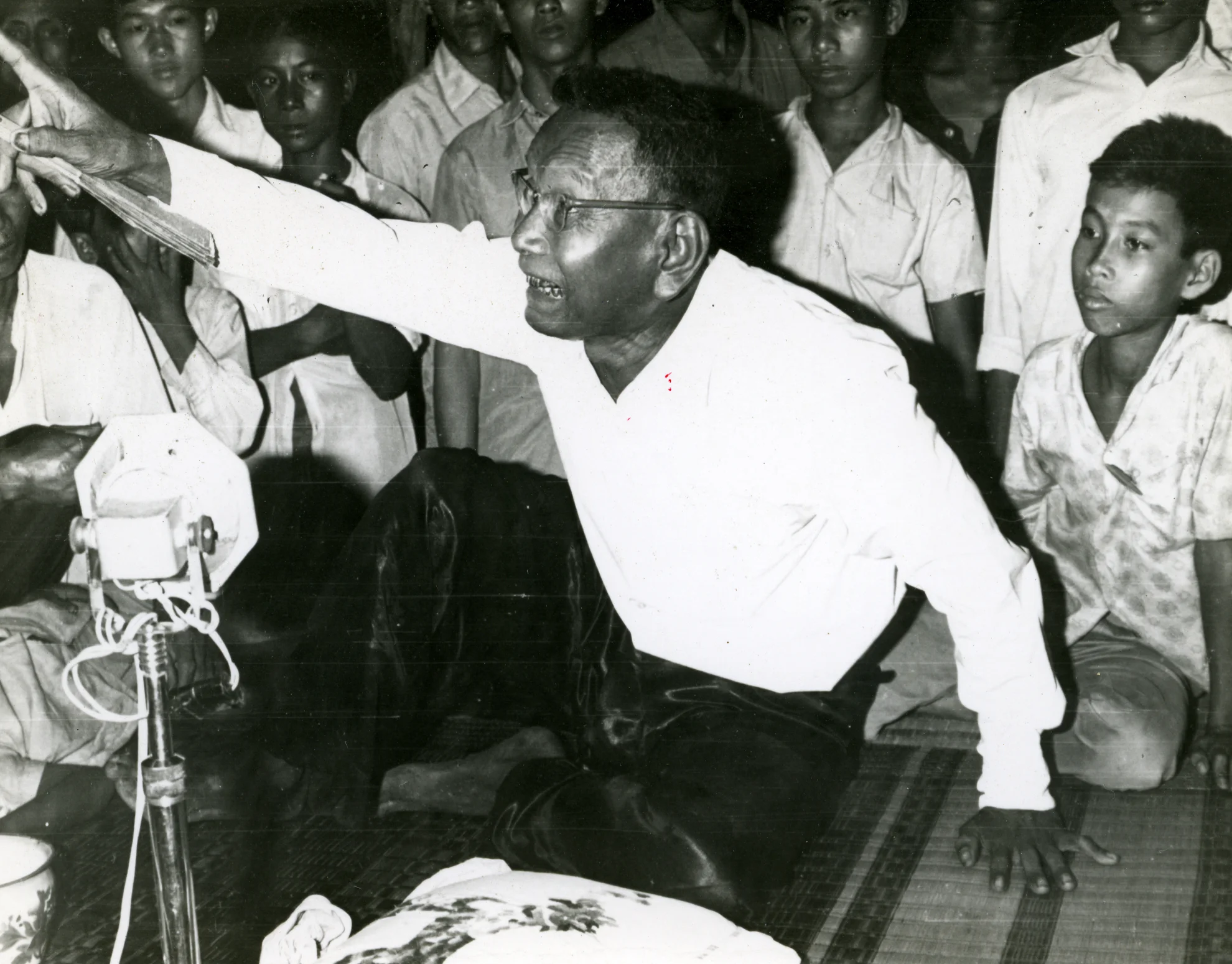
Oral Traditions and Expressions
Refers to traditions maintained and transferred from one generation to another through spoken language, songs, and performances. This includes proverbs, riddles, tales, lullabies, legends, myths, poems and epic songs, love chants, prayers, Smot (melodic chanting), songs, and theatrical performances.
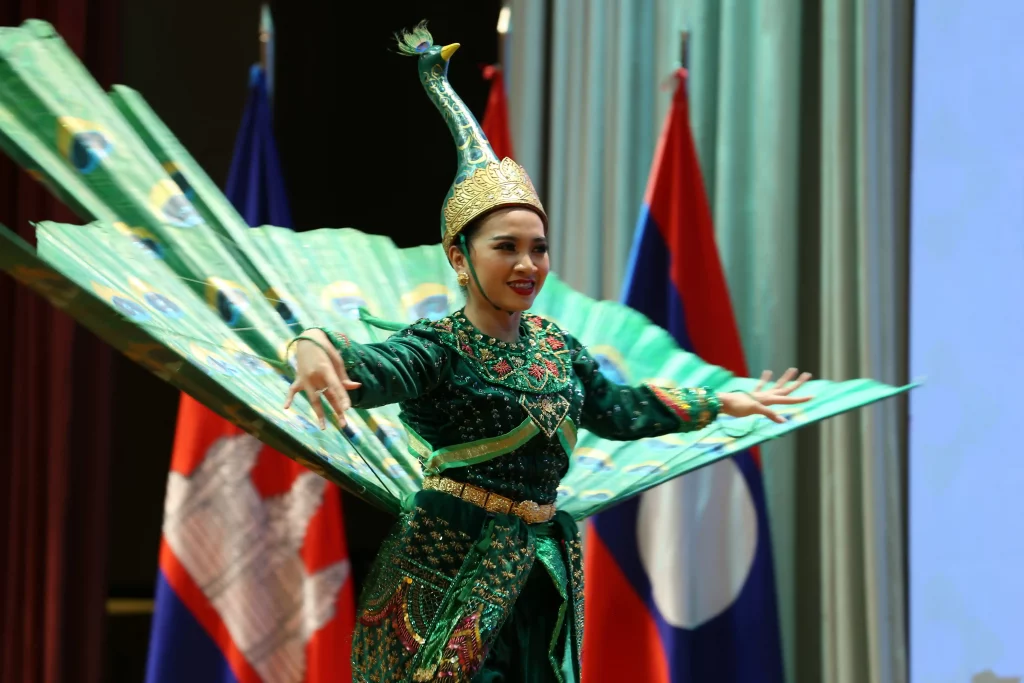
Performing Arts
Ranges from vocal and instrumental music, dance, and theater to comedy and poetic chanting, both within and outside religious, work, and recreational contexts. Performing Arts play a role in cultural exchange and enhancing the national artistic profile to serve entertainment and attract tourists.
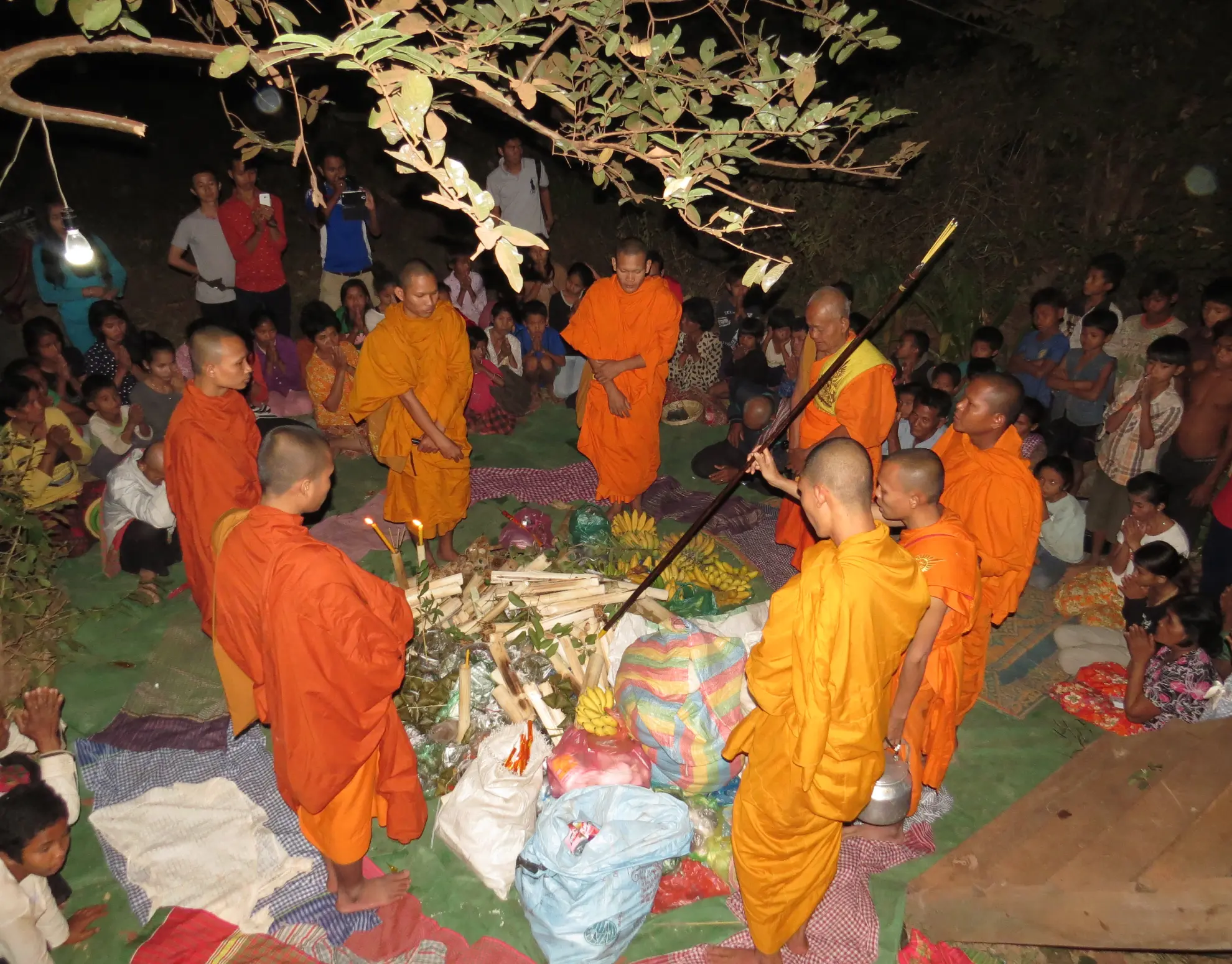
Social Practices, Rituals, and Festive Events
These are areas of practiced beliefs that influence the daily lives of people and confirm the identity of a group or society of practitioners, such as New Year celebrations, rice-related festivals, and other rituals related to local supernatural beliefs.
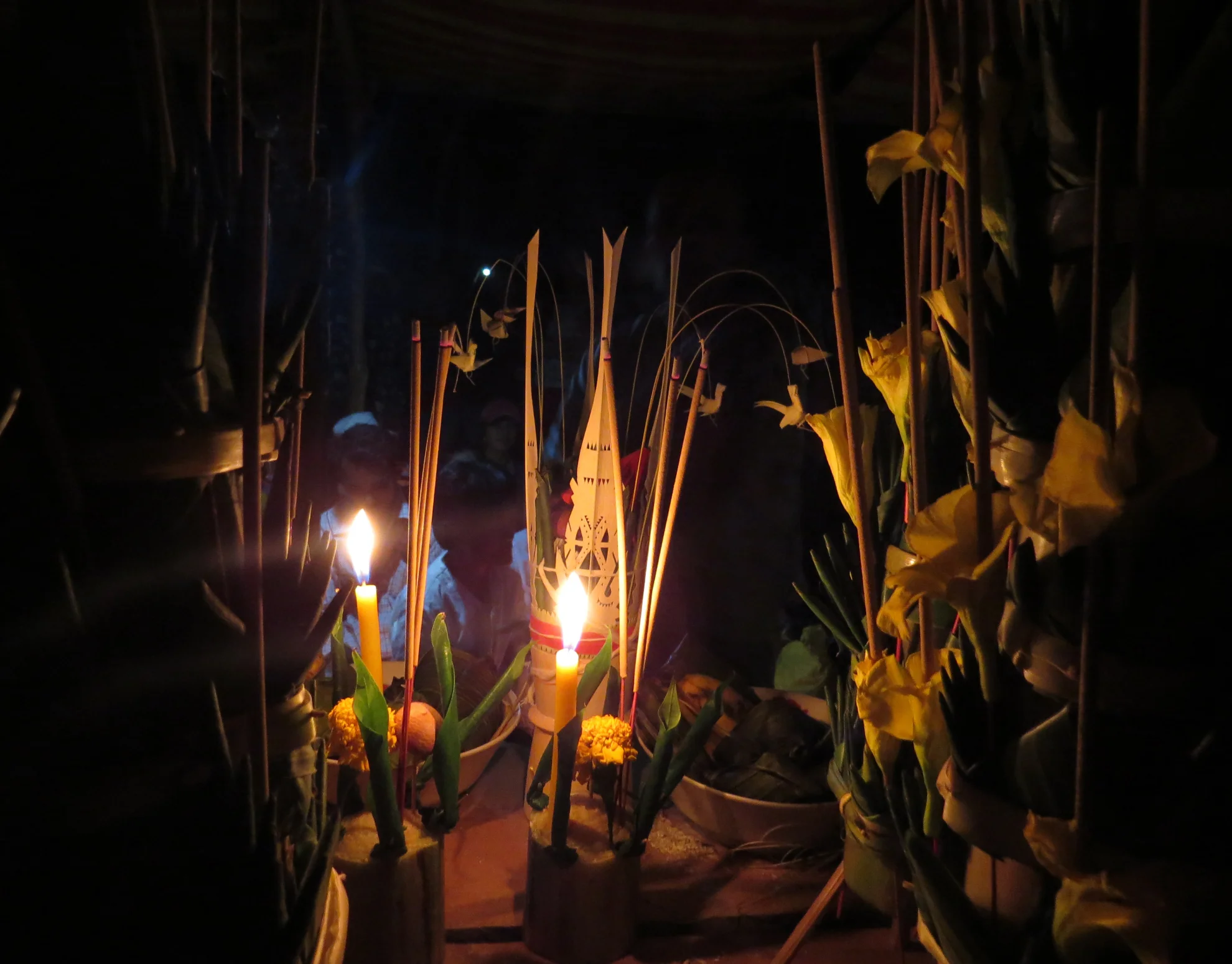
Traditional Knowledge and Practices Concerning Nature and the Universe
Includes the knowledge, skills, ingenuity, practices, and works of a community linked to the natural environment and their concepts or perceptions of the universe. This is expressed through language, oral traditions, beliefs, or spirits associated with specific places, souls, and social perspectives.
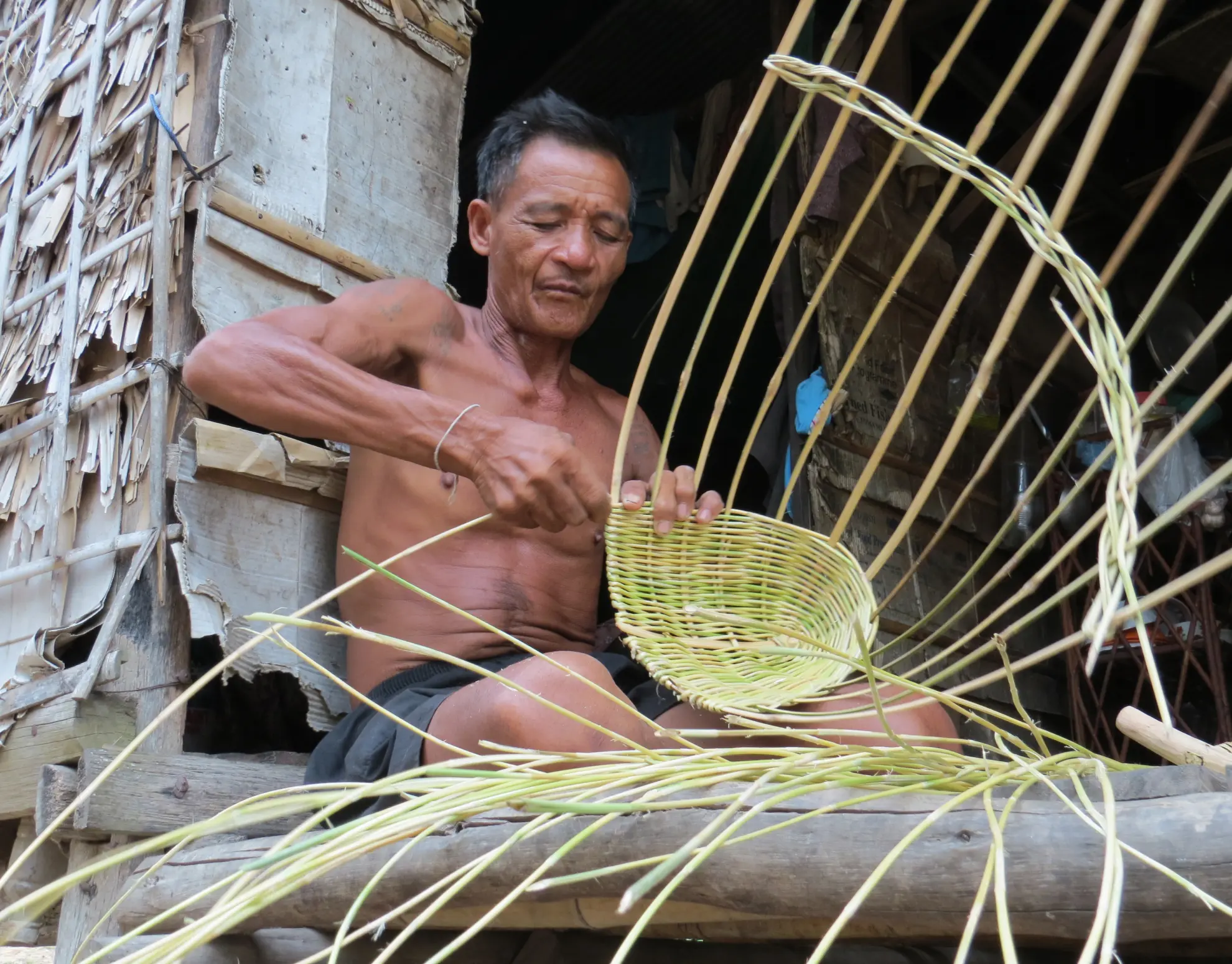
Traditional Craftsmanship
Refers to the tradition of producing tools and utensils, such as the weaving of Hol, Phamoung, Krama, jewelry, or other handmade equipment for clothing, fishing, means of transportation, or recreational materials.
The Registration of Intangible
Cultural Heritage by UNESCO
As of 2026 Cambodian intangible cultural heritage inscribed on the UNESCO Intangible Cultural Heritage of Humanity lists includes:
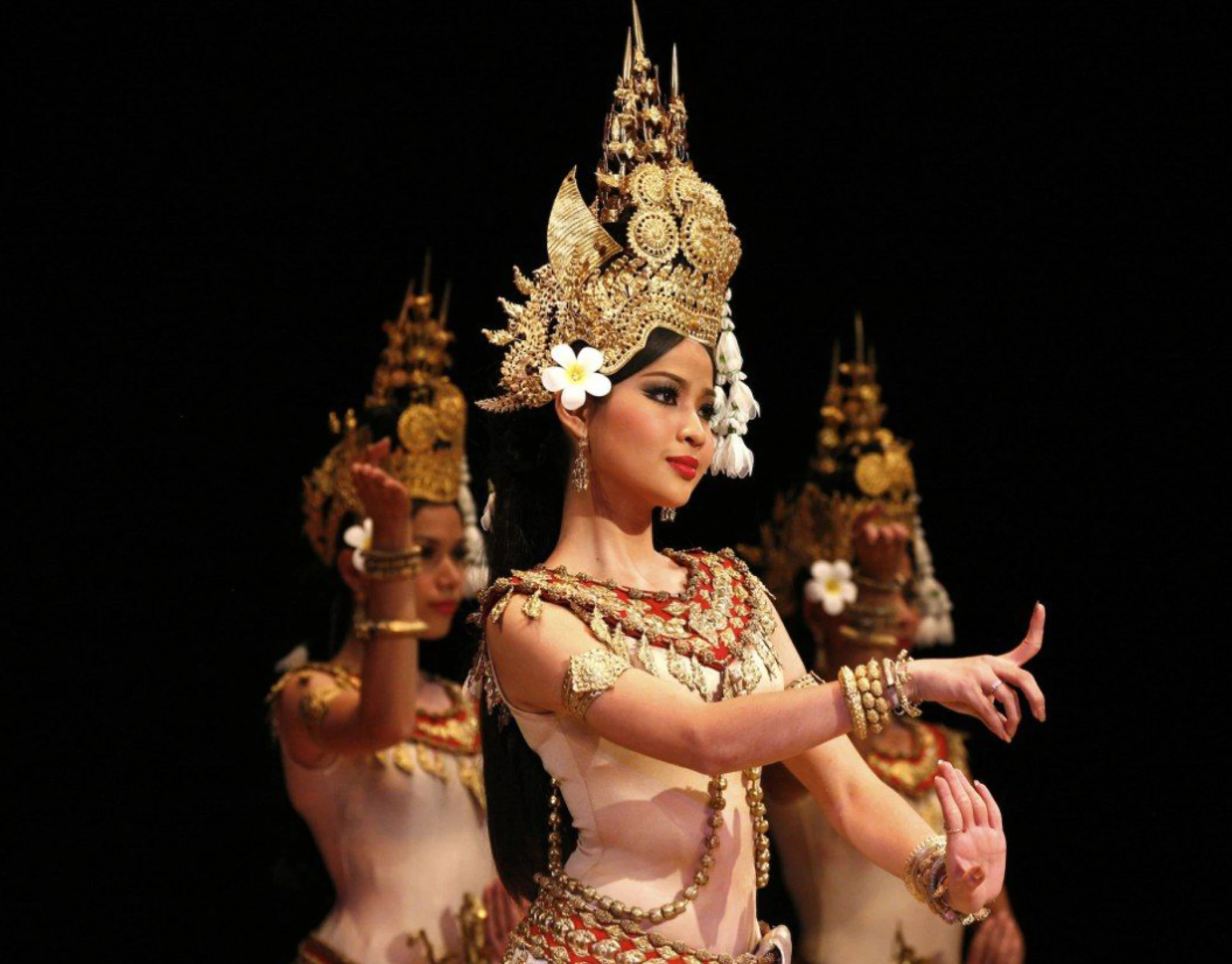
Royal Ballet of Cambodia
Registered on :
07 November, 2003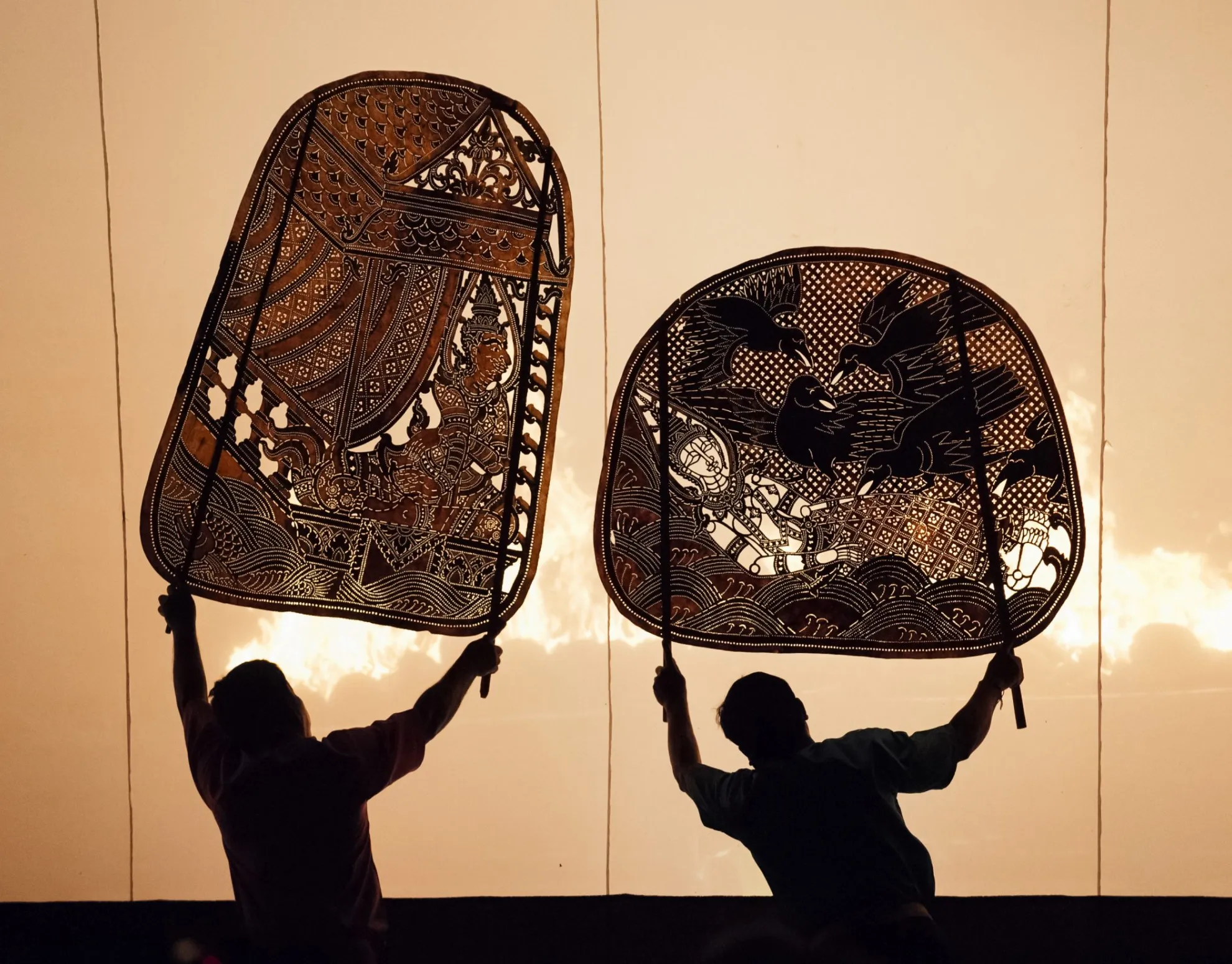
Sbek Thom, Khmer Shadow Theatre
Registered on :
25 November, 2005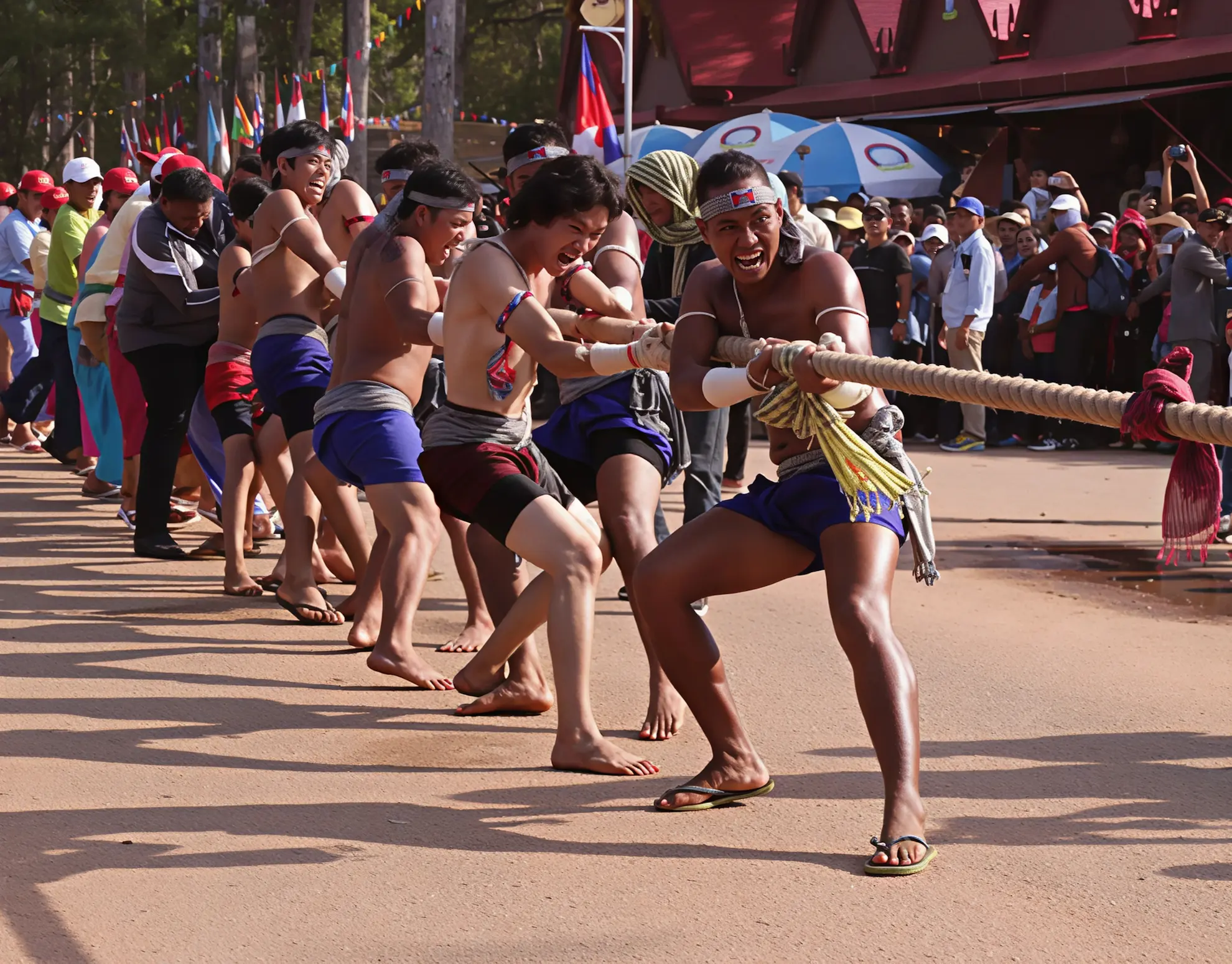
Tugging rituals and games
Registered on :
02 December, 2015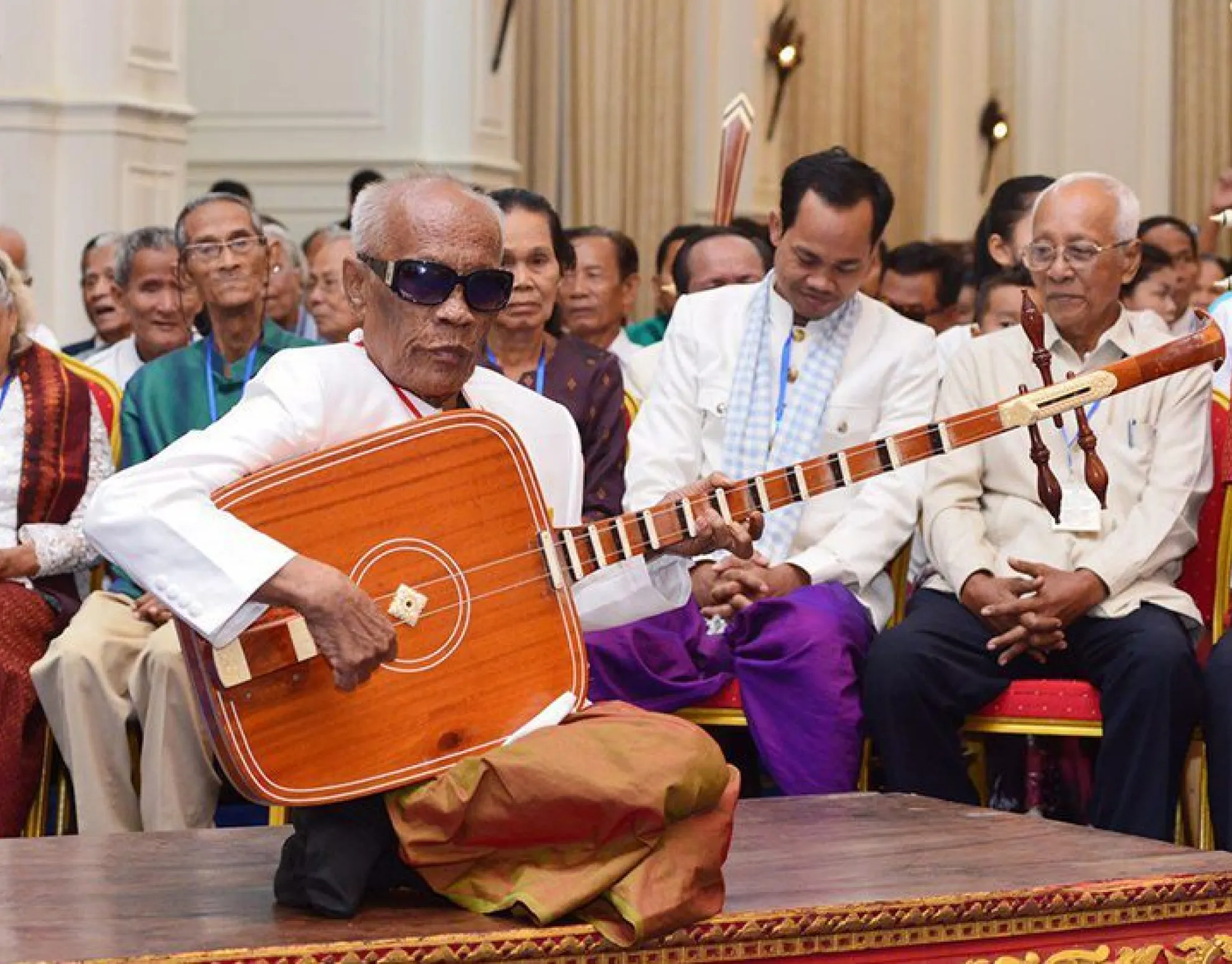
Chapei Dang Veng
Registered on :
30 November, 2016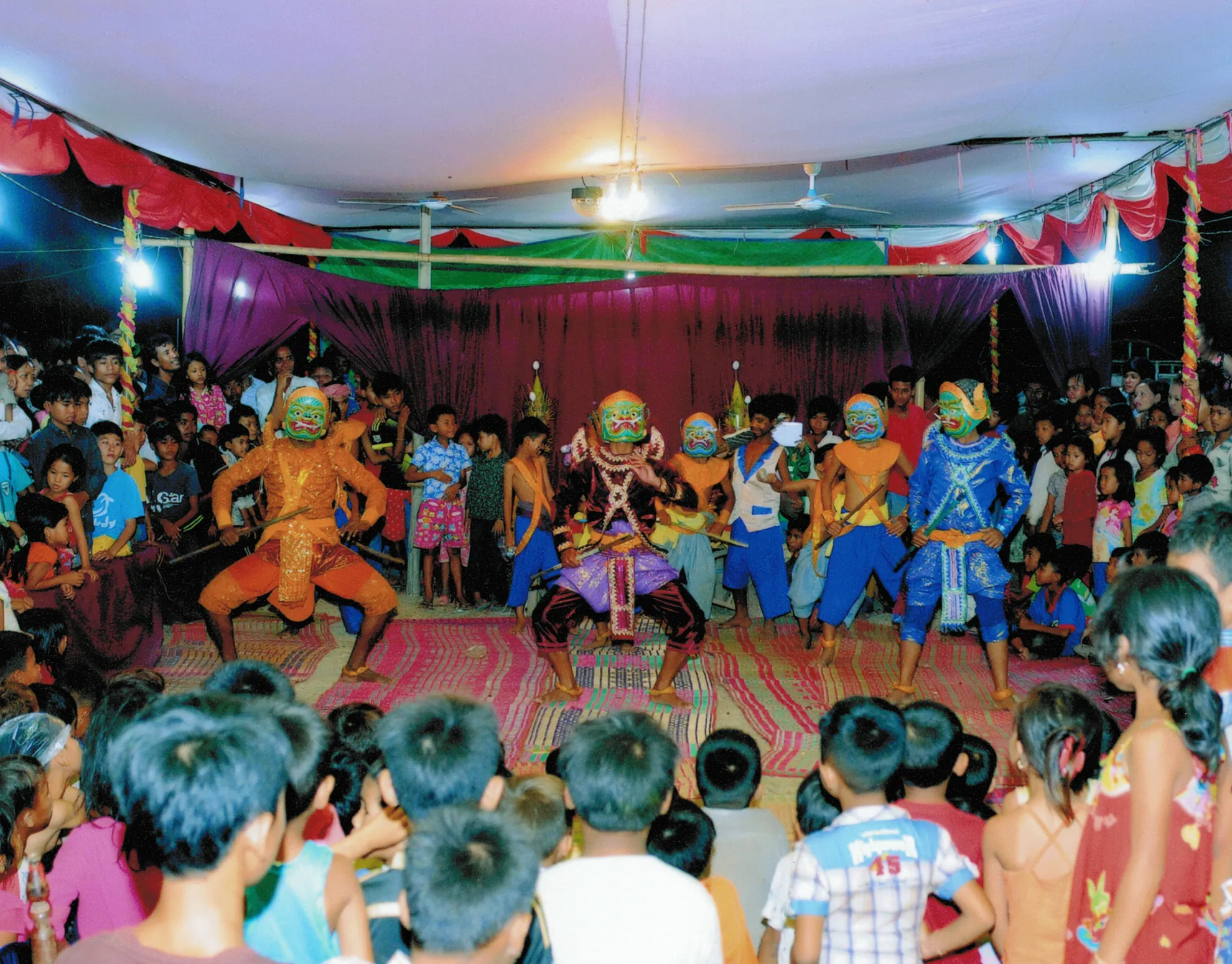
Lkhon Khol Wat Svay Andet
Registered on :
28 November, 2018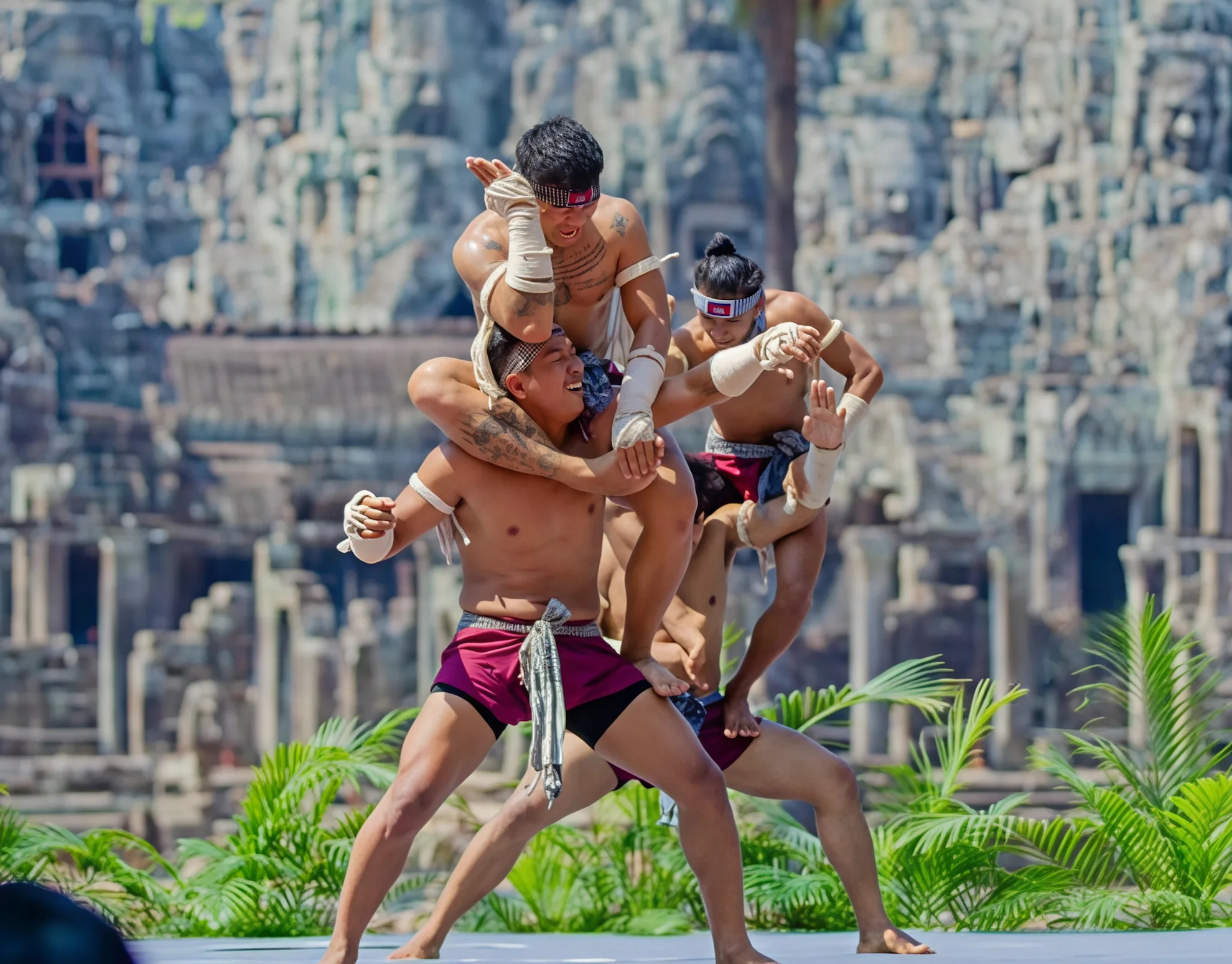
Kun Lbokator, traditional martial arts in Cambodia
Registered on :
29 November, 2022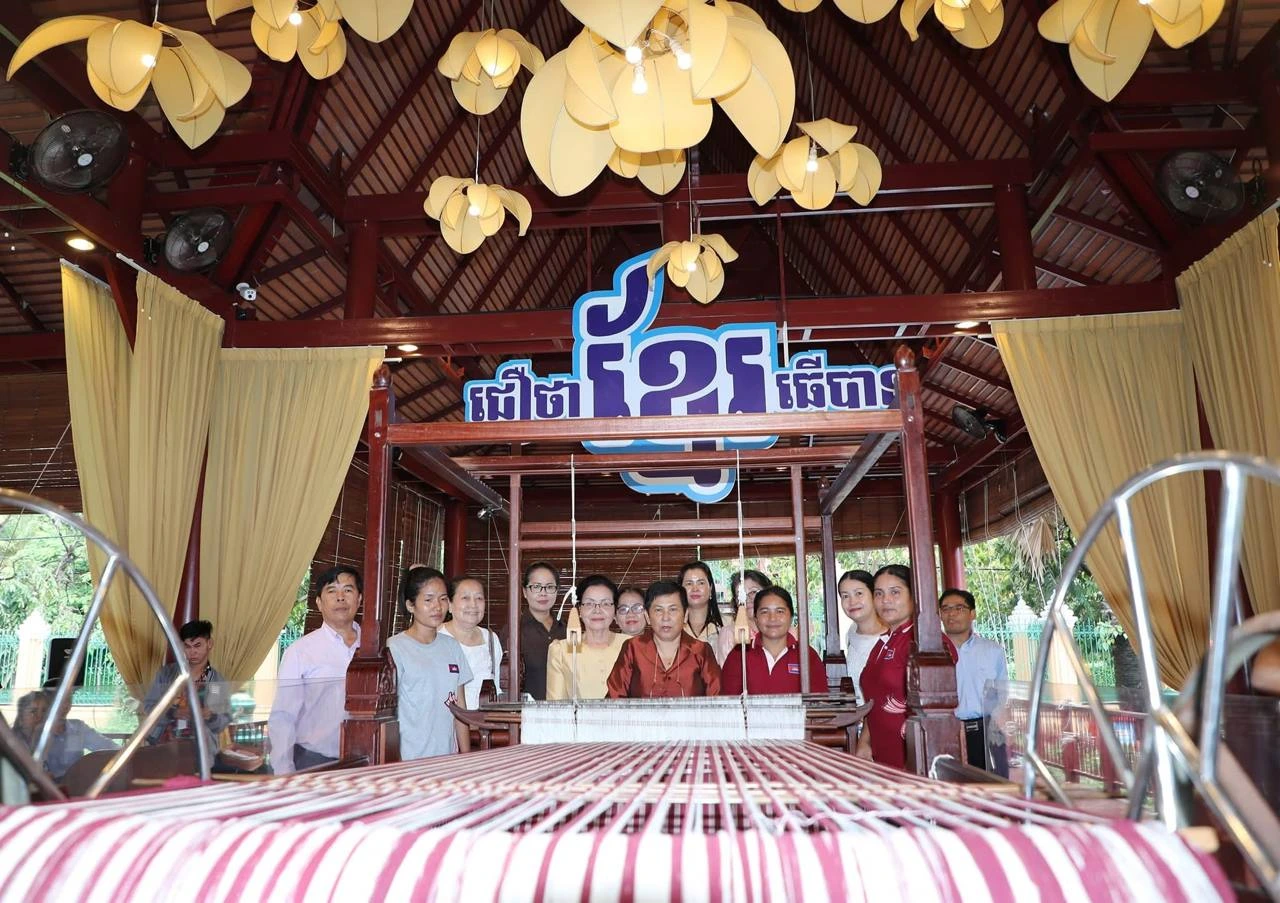
The Khmer Krama
Registered on :
04 December 2024